Posted on

Diesel Generator Spare Parts: What to Stock and How to Order

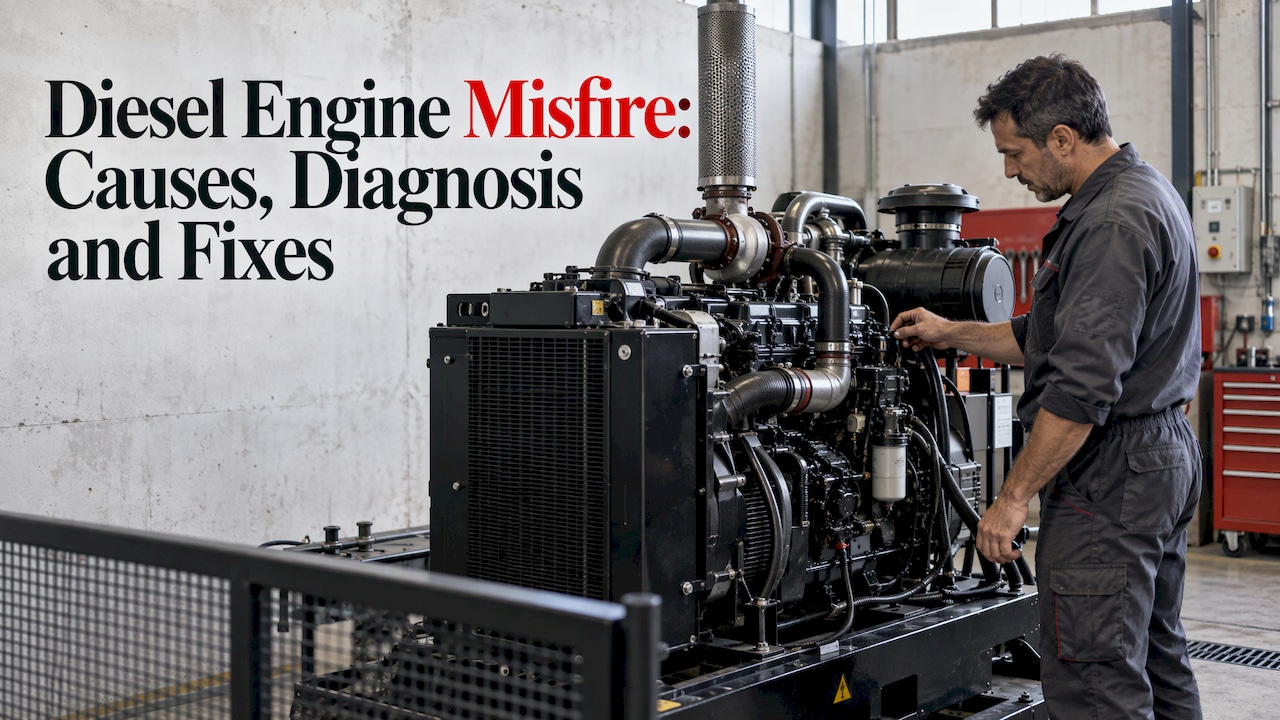
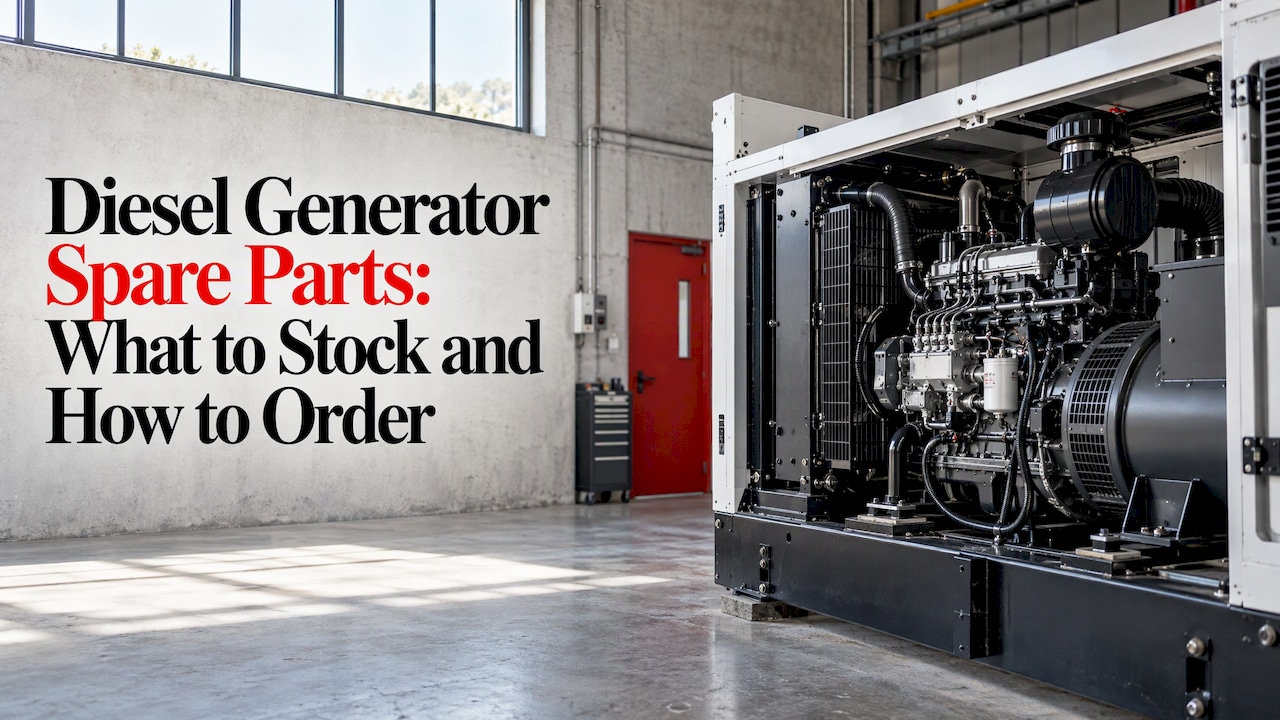
Diesel generator with service panels open

The right diesel generator spare part is the one matched to the engine’s exact model and application, and on your shelf before the set stops. Most downtime comes from two things: ordering a part that almost fits, and discovering the lead time after the failure. This guide covers the parts that wear out, how to identify them correctly, how to build a short stock list, and how conditions in construction, farming, marine and standby power change the list. For Yanmar and Sensei engines, Iberspares supplies the parts and the application knowledge to identify them.

Iberspares
iberspares.com
Find the Right Generator Parts
Iberspares supplies Yanmar and Sensei engine parts, with application-specific knowledge to help match components to your machinery.

Visit

TL;DR

  • A generator set is an engine, an alternator, a fuel system, a cooling system and controls. Most spare-part demand sits in the consumables and the small control parts, not in major castings.
  • Identify a part from the engine model and serial number plus the application, never from the generator’s brand name alone.
  • Keep a short, written must-stock list: filters, belts, hoses, sensors, a starter and gasket sets, decided before the first breakdown.
  • Application matters: a standby set, a jobsite set, a farm PTO-replacement set and a marine auxiliary wear differently.
  • For Yanmar and Sensei engines, we hold extensive in-stock inventory for rapid dispatch and help match the part to the machine.

Table of Contents

What a diesel generator is made of, and where parts wear

A diesel generator set is a diesel engine coupled to an alternator, with a fuel tank, starter motor, battery, control panel and often an acoustic enclosure. A maintenance handbook for diesel generator sets lists exactly these components, and describes how the lube oil pump draws oil from the pan and pushes it through the oil cooler and filter to the bearings and cylinder liners, while the radiator and fan remove the heat the coolant has absorbed.

That description already tells you where parts go. Anything that filters, circulates, seals or transmits wears with running hours. Anything electronic or electrical fails with age, vibration and heat. Group the set into five systems and think in those terms.

Lubrication and filtration

Oil filters, oil, and the oil pressure sender. The sender matters more than its size suggests: a generator guide from a manufacturer notes that the oil pressure sensor triggers an alarm or shutdown when pressure drops too low, so a faulty one can stop a healthy engine or fail to protect a damaged one.

Fuel system

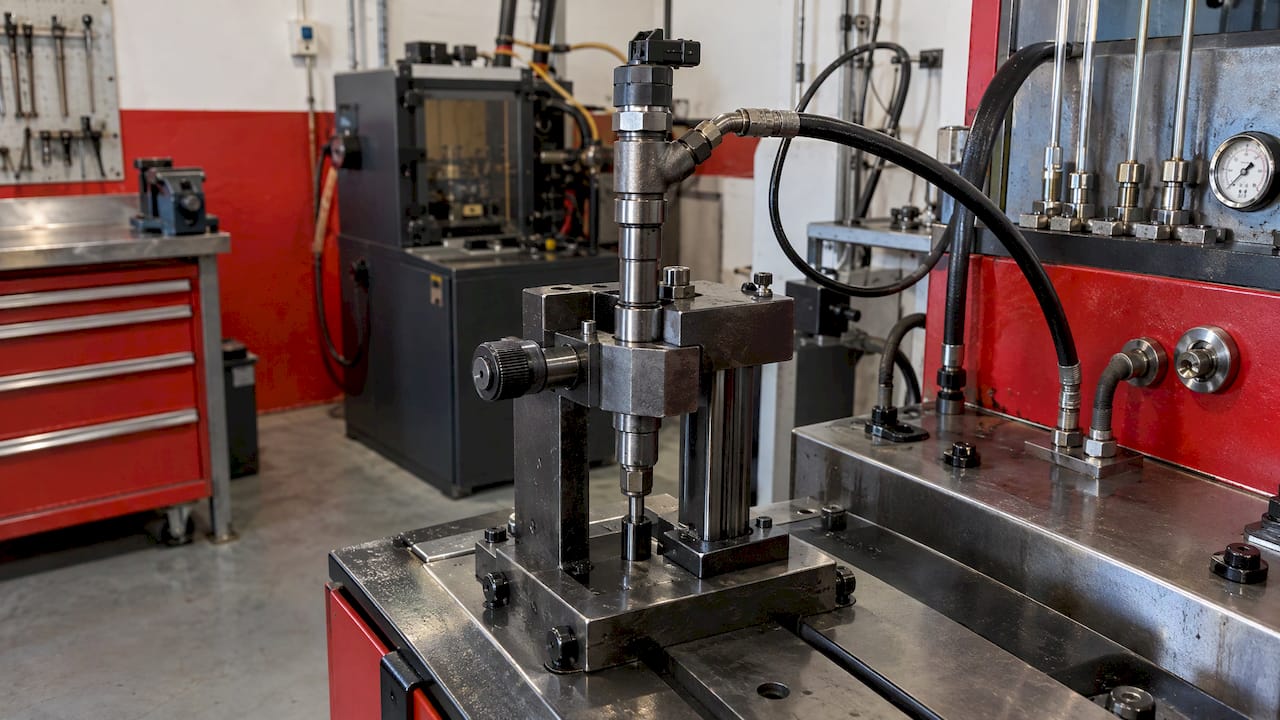
Fuel filters and water separators, fuel lines, the lift pump, and injectors. Diesel contamination, water and long storage are the usual enemies. Filters are the cheapest part on the list and the most common reason a set starves and stalls under load.

Air intake and exhaust

Air filter elements, intake hoses, clamps, and on turbocharged engines the turbo and its gaskets. The same guide points out that the air filter keeps dust from scoring pistons and cylinders, which is why a clogged or torn element is a wear problem long before it is a power problem.

Cooling system

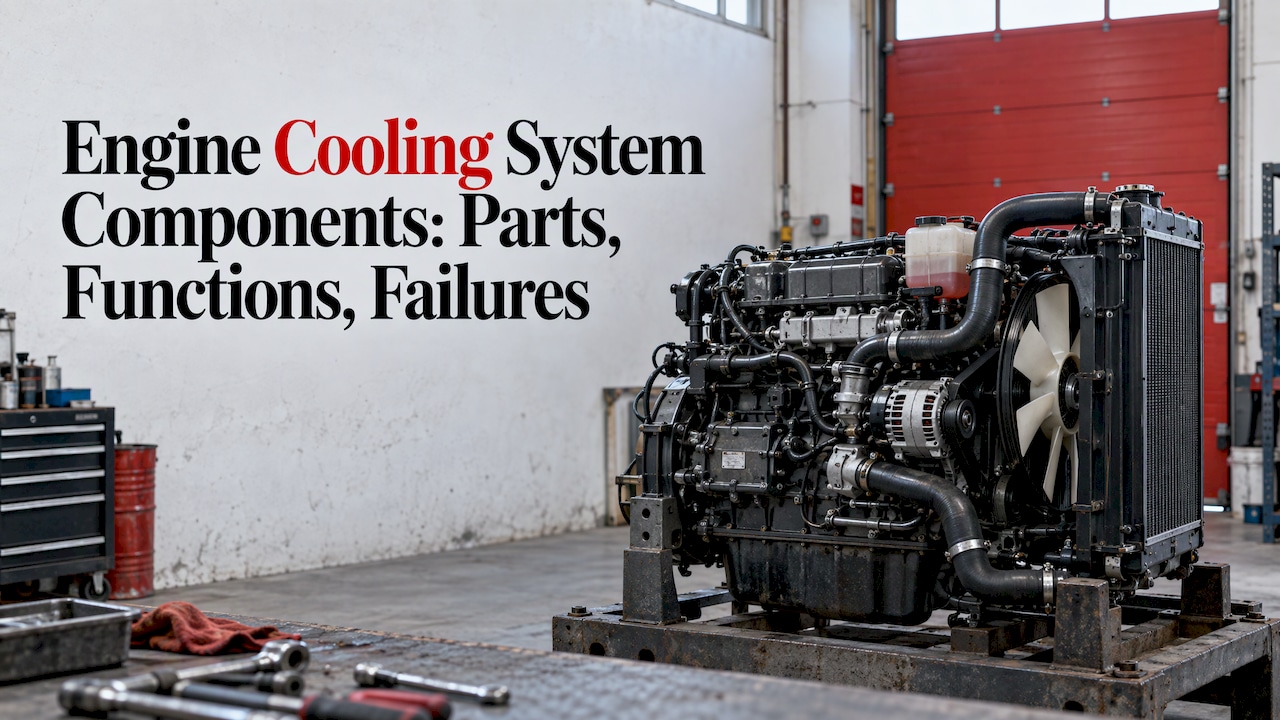
Thermostat, water pump, hoses, belts, radiator cap and coolant. The thermostat controls the coolant path during warm-up, so a stuck unit produces either slow warm-up or overheating. Belts drive the water pump and charging alternator, and they crack and glaze with age whether or not the set runs much.
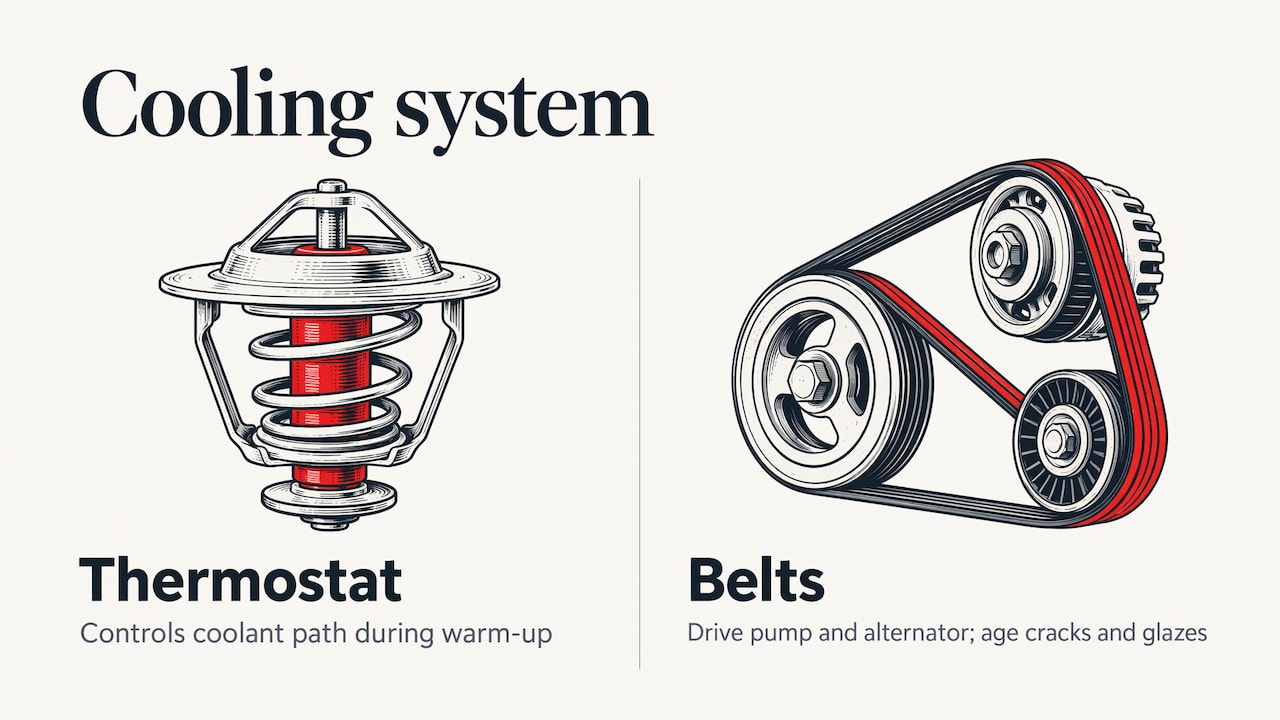
Cooling system

Starting, charging and controls

Starter motor, solenoid, glow plugs where fitted, batteries, battery charger, relays, fuses and the governor and voltage-regulation components. The AVR (automatic voltage regulator) watches stator voltage and adjusts exciter current to hold output near rated voltage, which the same guide puts at within ±2%. The governor holds engine speed; the guide gives mechanical governors an accuracy of about ±1 to 2% and electronic ones about ±0.5%. When either drifts, sensitive loads trip first.
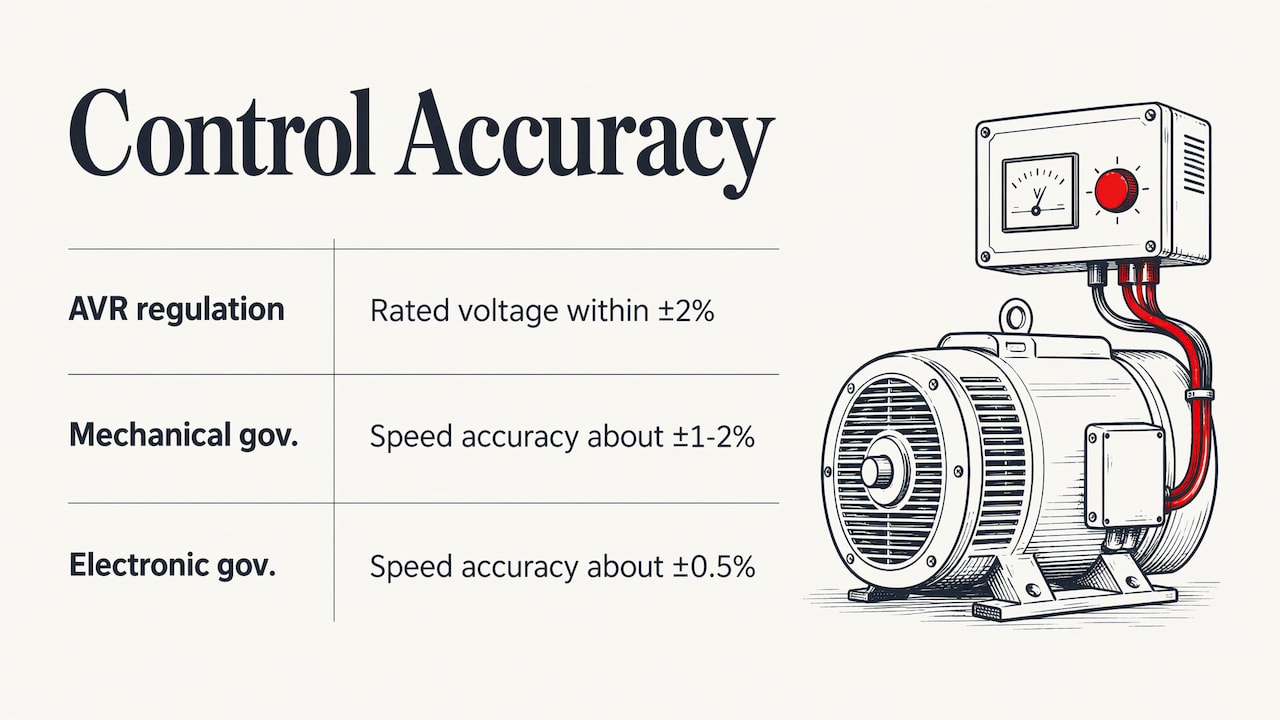
Starting, charging and controls

How to identify the correct part

Wrong-part orders are the quiet cost in generator maintenance: a day lost in shipping, another in return, and a machine still down. A reliable identification routine has five steps.

  1. Read the engine plate, not the generator plate. The set builder’s nameplate gives kVA, voltage and frequency. The parts you need depend on the engine maker’s model and serial number, usually on a plate or stamped on the block. Photograph it.
  2. Record the application. The same engine block is often fitted to a generator, a compact excavator, a tractor or a marine auxiliary, with different fuel pump settings, cooling arrangements, mounting brackets and governors. A part number that fits one build may not fit another.
  3. Note the build details that vary within a model. Alternator type, starter rotation and voltage, filter head design, and whether the engine is turbocharged are common differences. Write down what you can see before you order.
  4. Compare the old part to the listing. Check dimensions, connector shape, thread, and number of mounting holes. Keep the old part until the new one is installed and running.
  5. Order by part number, and confirm it against the engine serial number. A supplier who knows the engine family can catch conflicts you cannot see from a photo.

Step 5 is where we put our effort. Our positioning is deep technical knowledge of Yanmar and Sensei applications and efficient identification of the correct part, so that errors and delays are minimized. Send the engine model, serial number and what the machine does, and the part is matched to the application rather than to the brand name on the set.

Genuine, OEM or aftermarket: what to check

The choice is rarely about the label. It is about whether the part is made to the engine maker’s specification for your engine, and whether you can trace it. When you compare options, check these points:

  • Part number traceability. The part should map to a specific engine part number and not to a generic “fits most” description.
  • Fit to the exact engine build. Compare dimensions and connector types with the part removed from the engine.
  • Packaging and markings. Sealed packaging, clear part numbers and batch markings help you track a part through its life.
  • Warranty terms in writing. Know what happens if a part fails early, including who pays for labor.
  • Material and finish on wear items. Seals, liners, bearings and injector components are where tolerance matters most.

For Yanmar and Sensei engines, the simplest route is the genuine part, and that is what our site is built around. You avoid tolerance doubt on the parts where engines are least forgiving.

Checking a part before installation

A five-minute bench check saves a second teardown.

  • Compare the new part with the old one side by side: dimensions, ports, thread pitch, gasket faces.
  • Check seals and O-rings for the right material and size; do not reuse old ones.
  • Turn rotating parts by hand. A pump or starter that binds on the bench will not free up on the engine.
  • Check electrical parts for connector fit and correct voltage, 12 V or 24 V.
  • Clean the mating surfaces and prime the filters and fuel system as the engine’s service manual instructs.
  • Record the date, hours and part number in the engine log so the next replacement interval is based on facts.

When parts should be inspected or replaced

The engine maker’s service manual sets the intervals for your model, and those figures outrank any general rule. As a general frame, emergency and standby sets follow a routine of weekly inspection and monthly run tests under NFPA 110, the US standard for emergency and standby power systems. Between those checks, look at fluid levels, leaks, belts, hoses, battery condition and warning lights.

Hours are only part of the story. Adjust intervals for how the set actually works:

  • Dusty sites (earthmoving, harvest, quarry): air filters clog faster. Check them more often than the schedule says.
  • Light load, long run times: engines run cool and unburned fuel builds up in the exhaust. Exercise standby sets under a meaningful load as the manual directs.
  • Long idle periods: fuel degrades, batteries sulfate and rubber hardens. Time, not hours, drives replacement of belts, hoses and batteries.
  • Heat, salt and humidity: marine and coastal sets corrode connectors, clamps and electrical terminals early.
  • Frequent starts: a starter and its solenoid wear by start count, not run hours.

Building a short must-stock list

The most common mistake is not having a list at all. One supplier’s article describes the usual pattern: a buyer commissions the set, runs it for about two years, then has a breakdown and writes the stock list in a panic. The same source recommends deciding in advance and keeping the list short, with ten items on site rather than a hundred in a catalogue, and asking whether the controller can be replaced and programmed in the field, which critical items have long lead times, and what long-term support is promised in the supply agreement.

That translates into a practical method:

  1. List what stops the set. Ask for each part: if this fails, does the set stop, trip or run unsafely?
  2. Mark lead time. Parts that are in local stock the same day need less shelf space than parts that take weeks to arrive.
  3. Rank by failure frequency and cost of downtime. A $15 filter that stops a $90,000 set earns shelf space. A rarely failing casting does not.
  4. Write the list down with part numbers. Include the engine model and serial number on the sheet.
  5. Review it yearly. Update it after each repair and each service.

A sensible starting kit for most diesel sets: oil filters, fuel filters and water separator elements, air filter elements, a set of belts, key hoses and clamps, thermostat and gasket, oil pressure and temperature sensors, a fuse and relay set, glow plugs if fitted, and a starter solenoid. Larger operations add a spare starter, a water pump and a charging alternator.

When the question is whether a diesel set should carry the load at all, a comparison of battery storage and diesel generators sets out how the two options differ and why spare-parts availability belongs in the supply agreement from the start.

Spare-parts needs by sector

Sector What stresses the set Parts to prioritize
Construction and industry Dust, vibration, transport shocks, variable load Air filters, fuel filters and separators, belts, hoses, mounting and vibration parts
Agriculture Seasonal peaks, dust and chaff, long idle periods Air filters, fuel filters, belts, batteries, starter parts, injector components
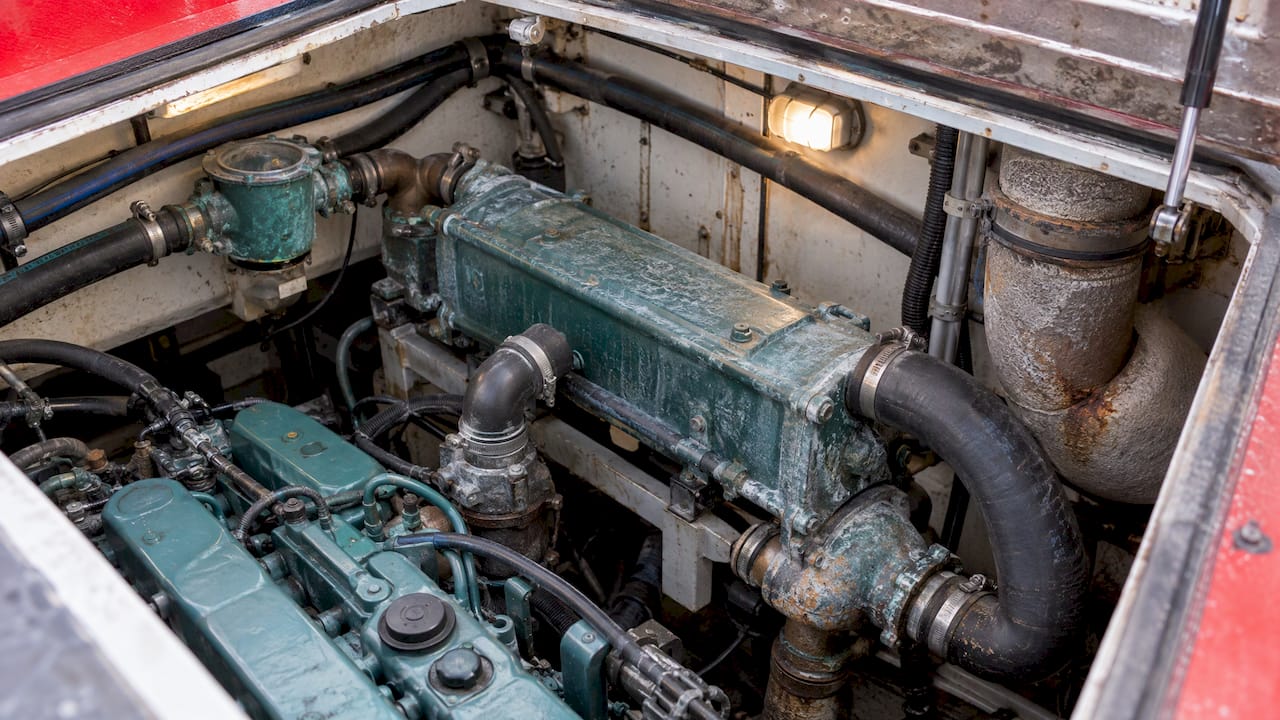
Marine Salt, humidity, constant duty, limited access at sea Impellers and water pump parts, heat exchanger components, filters, corrosion-prone connectors
Power generation and standby Long idle times, light-load tests, critical uptime Batteries and charger parts, fuel filters, starting components, AVR and governor parts, controller modules
Material handling and compact equipment Frequent starts, shock loads, tight enclosures Starter and solenoid, filters, belts, hoses, sensors

The pattern across all sectors: the cost of the part is small against the cost of a stopped machine, so the stock list should follow downtime cost, not purchase price.

Why buying from an application specialist cuts downtime

A general parts catalogue lists thousands of numbers and leaves the matching to you. A specialist narrows the field to one engine family and the applications it goes into, so the question “which variant is on this machine?” gets asked before the order ships, not after it arrives. That is the difference between a repair finished the same week and one that needs a second shipment.

Our view: stock for the failure you can predict

Every workshop we deal with has the same moment: the machine is stopped, the customer is waiting, and the part number is a guess. We built Iberspares around Yanmar and Sensei engines because identifying the right part for the right application is the work that saves the most time.

Our approach is simple. Know the engine and its application well enough to match parts without errors and delays. Keep extensive inventory in stock so that routine and emergency orders can dispatch quickly. Cover the sectors where these engines work: construction, agriculture, marine, power generation, material handling and compact equipment.

If you maintain generator sets on these engines, make the stock list now, put the engine serial numbers on it, and keep the filters, belts and starting parts on the shelf. Then the breakdown becomes a scheduled repair.

Duarte

Order Yanmar and Sensei generator parts from Iberspares

Iberspares supplies parts for Yanmar and Sensei engines and equipment, including a dedicated power and generators category alongside construction and industry, agriculture, marine, material handling and compact equipment. Orders are placed and paid for online, and the catalogue is built for workshops, maintenance companies, dealers, rental fleets and generator suppliers.

Iberspares

Browse the range at Iberspares genuine Yanmar and Sensei parts, choose the category for your machine, and have the engine model and serial number ready.

FAQ

What diesel generator spare parts wear out first?

Filters (oil, fuel, air), belts, hoses and the battery are the usual first replacements, because they filter, flex or age with time as well as hours. Starting parts and sensors follow. Your engine’s service manual gives the intervals for your model.

How do I find the right part number for my generator engine?

Start with the engine plate: engine make, model and serial number, then note the application and any build details such as turbocharging or alternator type. Match the part number to the engine serial number before ordering. A supplier that knows the engine family can confirm the match.

How many spare parts should I keep on site?

Keep the list short and specific: the parts that stop the set if they fail, and those with long lead times. A few well-chosen items such as filters, belts, a thermostat, sensors, fuses and a starter solenoid usually matter more than a large unsorted stock. Review the list after every service.

Do standby generators need different parts than prime-power sets?

The parts are largely the same, but the failure causes differ. Standby sets age through idle time, so batteries, belts, hoses, fuel and rubber parts matter most. Sets that run daily wear filters, bearings and seals faster, so those need shelf space.

Sources

Content strategy and optimisation for Google and AI-powered search platforms by Velveteen SaaS — specialists in online visibility and customer acquisition.
Posted on

Yanmar Parts Cross Reference: How to Match Part Numbers Safely

Yanmar parts catalog beside a replacement component

A Yanmar cross reference is only as good as the data you start with. The reliable method is to begin with the engine model and serial number, pull the part number from the parts catalog for that exact engine, and only then compare it against any other number. Do it in that order and you avoid most wrong-part orders. Skip a step and you pay for it in freight, labor and downtime. Iberspares supplies Yanmar and Sensei parts and identifies application-specific components for construction, agriculture, marine and power generation, so this routine is the one we work from.

Iberspares
Find the Right Yanmar Part
Iberspares supplies Yanmar and Sensei parts, with application-specific knowledge to help match components to your machinery.

Visit

TL;DR

  • Start with the engine model and the serial number from the engine’s identification plate, never with a guess from the machine’s appearance or horsepower.
  • Take the part name and number from the catalog for that engine, and treat a cross reference as a second check, not the first source.
  • Supersessions run forward with confidence. Running them in reverse needs judgment, because an old part is not guaranteed to do everything the new one does.
  • Before accepting an alternative number, compare dimensions, ratings and the application, not just the label on the box.
  • Send the model, serial number and part number together when you order, so the match is confirmed before dispatch.

Table of Contents

What a cross reference actually is

A cross reference is a table that links one part number to another. In Yanmar work it usually means one of three things:

  • Supersession: Yanmar replaced an older number with a newer one, often after a design change.
  • Interchange: a number from another manufacturer’s range that is listed as fitting the same position.
  • Application match: the same part used across several engine models or serial ranges, each listed under its own catalog entry.

These are different claims with different levels of certainty. Mixing them up is the most common source of errors. A supersession comes from the manufacturer’s own parts system. An interchange comes from whoever built the table, and its quality depends on how it was checked.

For a workshop, rental fleet or marina, the practical question is never “does a number appear in a table?” It is “will this part do the same job in this engine, in this application, for the life of the service interval?”

Step 1: Identify the engine before the part

Every cross reference rests on the engine. Yanmar’s own parts catalog for the 3TNV84T-GKM engine, catalog number 0CV10-M95900EN, updated July 2020, says that when you order parts you should clearly write down the engine model and serial number, plus the name and number of each part, to make sure delivery is reliable. It also states that the catalog covers all parts for engines manufactured since March 2004. That wording tells you how Yanmar itself expects parts to be identified: engine first, part second.

Gather this before you open any table:

  1. Engine model exactly as stamped, including suffixes. A TNV engine and a similarly sized model from another series can look alike and use different parts.
  2. Serial number from the same identification plate. Parts often change within a model run, and the serial number tells you which side of the change your engine is on.
  3. Machine or application: excavator, tractor, genset, sailboat auxiliary, forklift or compact loader. The same base engine can be built with different accessories, mountings and cooling arrangements for each.
  4. Part name and any number that is on the old part or in your records.
  5. Photos of the old part and of the plate, which settle questions that numbers alone cannot.

Where it goes wrong: the plate is painted over, the engine was replaced at some point, or the machine’s own nameplate lists a different engine from the one installed. If the numbers on the engine and the machine disagree, trust the engine’s plate and say so when you order.

Step 2: Get the part number from the catalog for that engine

With model and serial in hand, open the parts catalog or exploded diagram for that engine. Find the assembly (fuel system, cooling, lubrication, starting, electrics), locate the item on the diagram and read the part number from the list beside it.

This is where a cross reference should begin. Starting from the catalog entry gives you a number tied to your engine. Starting from a number on a used part gives you a number tied to whatever that part was fitted to, which may not be your engine, and may have been a substitute when it was installed.

Two habits save time:

  • Note the quantity column. Gaskets, seals and fasteners are listed in the quantity needed per engine, and a kit may contain more or fewer than you expect.
  • Note any remarks beside the number, such as a serial range or an application restriction. These are exactly the details a bare cross reference table leaves out.

Identifying the right entry from a diagram is the step where most errors enter. Our team at Iberspares works with Yanmar and Sensei applications every day, and we aim to find the correct part efficiently so you avoid the errors and delays that a wrong guess creates.

Step 3: Read supersessions in the right direction

Yanmar updates parts over time. When it does, the old number is replaced by a new one. Cross-reference software explains the logic clearly: according to the Huggins Cross Reference help pages, a forward supersession guarantees that the new part replaces the old one, while a reverse supersession is not guaranteed. An old part that bolts on or plugs in may not fully replace the new one under all conditions, so users must use judgment and watch for safety issues.

In practice:

  • Old number to new number: safe to follow. If your catalog shows that a number is superseded, order the newer one.
  • New number to old number: do not assume. A fitting that threads on, or a connector that plugs in, does not prove the part performs identically. Pressure ratings, materials, flow rates and tolerances can differ.
  • Chains of supersessions: follow the chain to its end. A number may have been replaced twice, and the first replacement may itself be obsolete.

This matters most for parts that control pressure, temperature, fuel or timing: injectors, fuel pumps, thermostats, oil pumps, turbochargers and sensors. A wrong gasket leaks. A wrong fuel component can damage an engine.

Step 4: Compare what the number cannot tell you

A matching number is a claim. Before you accept an alternative, compare the specification behind it. What to compare depends on the part, but the principle holds across the engine:

Part type What to confirm beyond the number
Oil and fuel filters Thread size, gasket diameter and thickness, overall length and clearance, bypass valve opening pressure, anti-drain-back valve, media rating
Water pumps and impellers Mounting pattern, shaft and bearing dimensions, impeller material and vane count, rotation direction
Belts Length, width, profile and groove count
Gaskets and seals Material, thickness, bolt-hole pattern, and the engine variant they are specified for
Injectors and fuel parts Application and serial range, flow and opening pressure, nozzle type
Electrical parts Voltage, connector type, amperage, rotation or terminal layout
Pistons, rings and liners Bore, ring set, compression height, engine variant

Filters illustrate why this step is worth the time. A filter can thread onto an engine and still behave differently once oil is flowing. Gasket thickness a fraction of a millimeter out of tolerance can stop a seal from seating, and a bypass valve that opens at a different pressure changes what happens at cold start. Treat “it fits” and “it works” as separate questions.

Where you are comparing numbers across different part families, a marketplace that lets you search by machine type can help you see how a Yanmar-powered unit is listed, for example Yanmar to universal skid loader listings. Use listings like these to narrow your search, then confirm the number against your engine’s catalog.

Step 5: Verify fit against model, serial range and application

This is the step that separates a cross reference from a confirmed match. Run this short check before you order:

  1. Model: does the part’s listed application include your exact engine model, suffix included?
  2. Serial range: is your engine’s serial number inside the range the part is listed for? If the catalog gives a break point, compare your number against it.
  3. Application: is the part listed for your use (marine, generator, tractor, compact equipment) and not only for the base engine? Marine engines, for instance, often have different cooling, exhaust and mounting parts from industrial versions.
  4. Position and quantity: does the diagram position match what you removed, and does the quantity match the number of items on the engine?
  5. Physical comparison: hold the old part next to the new listing. Compare photos, lengths, port positions and connector shapes before the part is fitted.
  6. Direction of supersession: if the match relies on a supersession, confirm it runs from the old number to the new one.

If any item cannot be confirmed, stop and resolve it before ordering. A part that arrives and does not fit costs a return, a second shipment and, for a working machine, days of lost use.

Common mistakes that cause wrong-part orders

  • Ordering from the machine brand instead of the engine. The machine’s maker may list its own number for a part that is actually a Yanmar component. Use the engine’s data.
  • Ignoring the serial number. Two engines with the same model name can need different parts if they were built on either side of a change.
  • Trusting a single table. A cross-reference list is a lead. Confirm it with the catalog entry for your engine.
  • Matching by appearance. Two parts can look identical and differ in pressure setting, material or tolerance.
  • Ordering a kit by the engine size alone. Overhaul and gasket kits are specific to engine variants.
  • Reusing a number from a previous repair. If an earlier workshop fitted a substitute, the number on the old part may not be the original.

Match by sector: what to watch for

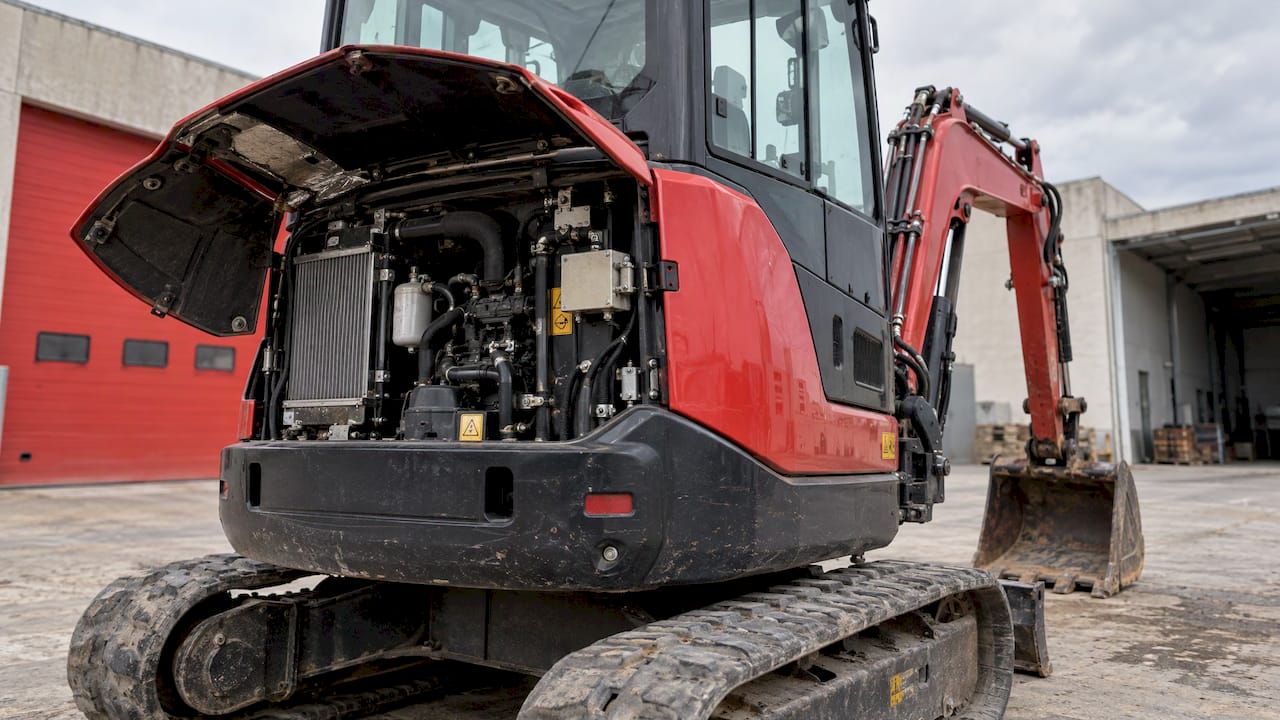
Construction and compact equipment. Yanmar engines power excavators, skid steers and compact loaders, and the same engine is often fitted to several machine models with different mounting and cooling arrangements. Give the machine model and the engine model together.

Compact excavator with its engine compartment open

Agriculture. Tractors and implements carry engines that may have been repowered or modified over years of service. Confirm the plate on the engine itself and check its serial number against the catalog before ordering.

Marine. Raw-water pumps, impellers, heat exchangers and exhaust elbows are specific to marine variants and often to the transmission or drive attached. State whether the engine drives a shaft or a saildrive.

Power generation. Gensets run for long hours at steady load, so service parts such as filters, belts and injectors need to meet the original specification. Record running hours alongside the order.

Material handling. Forklift engines are built for frequent starts and stops, and the application listing matters for governors, filters and cooling parts.

Promo: sourcing the matched part

Once the part number is confirmed, the remaining task is getting that part quickly. Iberspares supplies spare parts for Yanmar and Sensei engines and equipment across construction and industry, agriculture, marine, power and generators, material handling and compact equipment. We focus on application-specific components and hold extensive in-stock inventory for rapid dispatch, so that routine service parts and emergency repairs both reach you without long waits.

Iberspares

Send the engine model, the serial number and the part number you have, and browse the range at Genuine Yanmar and Sensei Parts.

Perspective

Cross referencing is a discipline more than a lookup. The number is the end of the process, not the start. What we have built our approach on is knowing the applications: which engine goes into which machine, how the same base engine is configured for a boat, a generator or a compact loader, and which parts follow from that.

That is why we ask for the model and serial number first. It lets us match the part to the engine in front of you, rather than to a number that happens to look similar. For a workshop with a machine waiting, a confirmed match on the first order is worth more than any saving on a part that has to be sent back.

We keep stock of Yanmar and Sensei parts for the sectors our customers work in, so that when the match is confirmed the part can leave quickly. Our aim is simple: the right part, identified correctly, delivered while the machine still has work to do.

Duarte

Keeping a cross-reference record

For workshops, rental companies and maintenance teams, the value of a verified match grows when it is written down. A simple record for each engine saves repeated research:

  • Engine model and serial number
  • Machine, location or vessel the engine belongs to
  • Part name, catalog number and any superseding number
  • Date fitted and running hours or service interval
  • Notes on anything that differed from the catalog, with photos

Fleet operators and multi-brand service providers benefit most. When a machine returns, the record turns a long identification exercise into a quick reorder. It also shows when a part was substituted, so the next technician knows the starting point.

FAQ

Can I use a part number from another brand’s cross-reference table?

Treat it as a lead, not a confirmation. Take the number back to the parts catalog for your engine model and serial range and check that the application matches. Compare the specification as well, because a shared number does not guarantee identical performance.

What does it mean when a Yanmar part number is superseded?

It means Yanmar replaced the old number with a newer one, usually after a design or supplier change. Following a supersession from the old number to the new one is the safe direction. The reverse is not guaranteed, because an older part may not match the new one in every condition.

What do I need to send when ordering a Yanmar part?

Send the engine model, the engine serial number, the name and number of the part, and a photo of the old part and plate if you can. Yanmar’s own catalog instructs buyers to record the model and serial number together with the part name and number, and that is the information a supplier needs to confirm the match.

Does the same part fit every machine with the same Yanmar engine?

Not always. The same base engine may be fitted to different machines or built for marine, generator or industrial use, each with its own mounting, cooling and accessory parts. Give the application along with the engine data so the correct variant is selected.

Sources

Content strategy and optimisation for Google and AI-powered search platforms by Velveteen SaaS — specialists in online visibility and customer acquisition.
Posted on

Engine Overheating Under Load: Causes, Checks and Fixes

Tractor engine radiator exposed in farm shed

An engine that sits at a normal temperature at idle and climbs toward the red only when it works hard does not have a mystery fault. Its cooling system is marginal, and load is the first thing that exposes it. The restriction, weak pump, slipping fan or fouled heat exchanger was already there. Work through the circuit in order, change one component at a time, and match each replacement to the exact engine and application. That is how you stop the repeat breakdown, and it is where correct part identification saves the most downtime.

This guide is written for people who keep diesel engines working: workshops, fleet and rental maintenance teams, farm operators, marine engineers and generator technicians.

Iberspares
iberspares.com
Find the Right Engine Parts
Iberspares supplies Yanmar and Sensei parts for construction, agriculture, marine and power generation equipment, helping you source components for your application.

Visit

TL;DR

  • Heat rejection requirement rises with power output, so a cooling system that copes at idle can fail at full load. Overheating only under load points to a flow or heat-transfer restriction, a weak pump, a fan problem, or a load that does not match the engine’s rating.
  • Take the load off first. Never open a hot radiator or expansion cap: pressurized coolant can scald.
  • Check in order: coolant level and leaks, radiator fins and core, belts and fan, hoses, cap pressure, thermostat, then water pump. Change one thing at a time so the evidence stays intact.
  • Marine and generator engines add raw-water and heat-exchanger items to the list: strainers, impellers, sea cocks and tube stacks.
  • Order parts against the engine’s serial and application data. A wrong thermostat, cap or impeller sends you back to the same fault.

Table of Contents

Why an engine overheats under load but not at idle

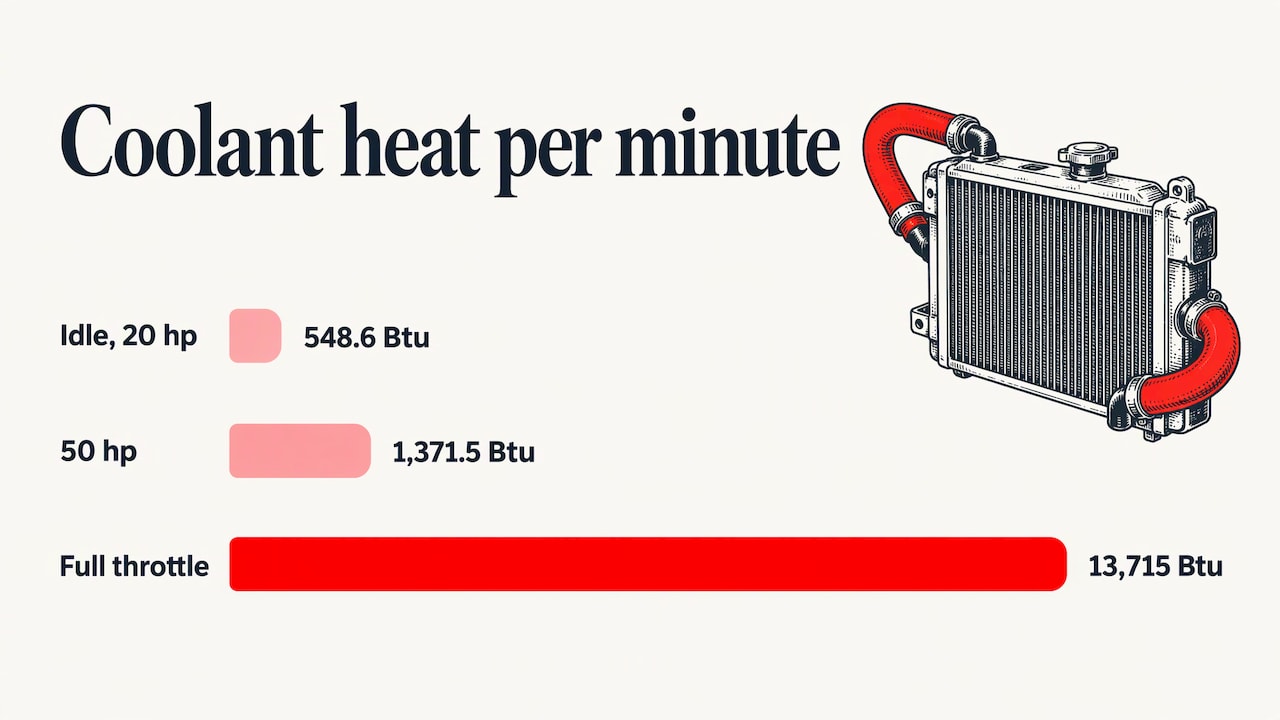
Heat output follows power. Automotive writer Ray Bohacz works through the numbers in Hemmings: a 500-hp engine rejects about 548.6 Btu per minute to the coolant at 20 hp of idle power, about 1,371.5 Btu per minute at 50 hp, and 13,715 Btu per minute at full throttle. That is a 25-fold jump. A radiator, pump and fan that are partly degraded can handle the idle figure with ease and have no margin at the full-load figure.

Bohacz’s conclusion is worth keeping on the workshop wall: an engine that runs hot below full load has a mechanical problem or mismatched parts. A healthy, correctly specified cooling system should hold temperature at the engine’s rated output.

The same logic applies to off-road duty. A loader digging all day, a tractor on a long baling run, a generator carrying a full load bank and a boat at cruising rpm all sit at high heat input for hours. There is no light-load phase in which the coolant, oil and metal can shed heat. Under that kind of continuous duty, any shortfall in the cooling system shows up sooner and stays there.

Why an engine overheats under load but not at idle

What the symptoms tell you

The pattern of when it overheats narrows the search before you open anything:

Pattern What it usually points to
Overheats only at idle or at low speed, cools when moving Fan, shroud or airflow problem
Overheats only under heavy load or sustained high rpm Partly restricted radiator or heat exchanger, weak water pump, belt slip, or overload
Rapid rise soon after start-up Thermostat stuck closed, low coolant, or air in the system
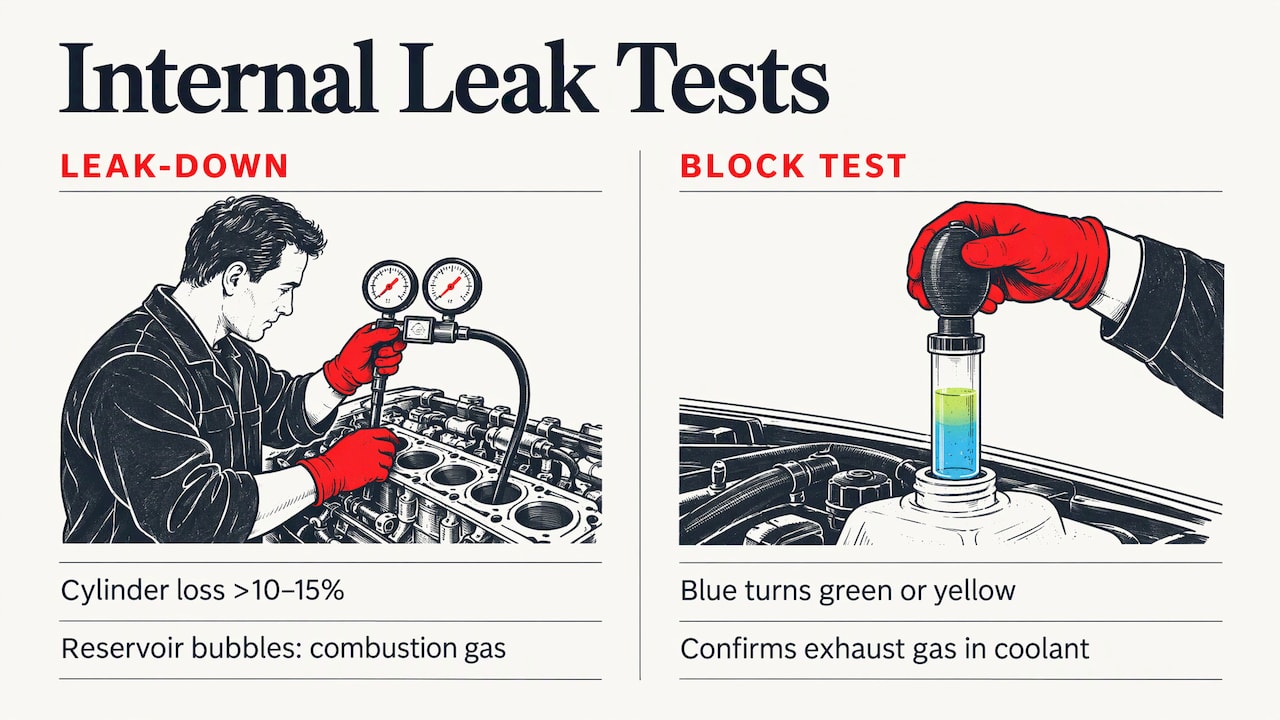
Steady coolant loss with no visible leak Head gasket or internal leak
Overheats only above a defined load threshold Fuel, timing or air-supply issue, or an engine rated below the job

The first two rows and the last follow the diagnostic pattern described by MechanicRank, which also notes that a worn pump impeller can cavitate at high rpm and that a lower hose can collapse under pump suction. Treat the table as a starting point, not a verdict.

What to do the moment it starts

Safety comes before diagnosis. The steps below come from operator manuals.

  1. Reduce load. A U.S. Army technical manual for construction equipment tells operators to ease off the throttle or shift to a lower gear, or both, when overheating begins, and to shut the engine off if the temperature does not return to normal. Scania’s operator manual for its D11 engines gives the same instruction: reduce load, and if the temperature does not fall, stop the engine and look for the fault.
  2. Do not shut down from full load straight away if you can avoid it. The same Army manual advises idling for three to five minutes after full-load operation before shutdown, so heat can leave the engine evenly.
  3. Do not open a hot cap. Mazda’s owner’s manual warns that scalding coolant and steam can shoot out under pressure if either cooling-system cap is removed while hot. It also says to confirm the fan is not running before working near it. These are road-vehicle instructions, but the physics is identical on a diesel excavator or a marine engine.
  4. Note what you saw. Write down the load, rpm, ambient temperature, gauge reading and any warning code. This is the evidence you will diagnose from.

One caution on gauges. A cooling system can have local hot spots where coolant boils against the metal. Steam insulates, so local cooling collapses while the dashboard gauge may still read normal, as TAVEA’s heat-management article explains. If you have repeated overheating with a normal-looking gauge history, check the sensor and the coolant condition as well as the circuit.

A diagnosis order that saves parts and time

The most expensive mistake is replacing several components at once. It may clear the symptom, but you never learn which part was at fault, and the real cause can come back. Work from the cheapest, most common faults to the least.

1. Coolant level, leaks and cap

Low coolant is the most common cause. The Army troubleshooting procedure for tracked equipment starts the same way: inspect the radiator fins for dirt, debris and damage, clear the debris, straighten bent fins or replace the radiator, and check the coolant level, topping up as required.

With the engine cold, check the level, then look at hoses, clamps, the water pump weep hole, the radiator seams and the cap. A cap that no longer holds its rated pressure lowers the boiling point of the coolant and lets it vent early. Match any replacement to the pressure rating for your engine, not to whichever cap fits the neck.

2. Radiator or heat exchanger, airflow and fins

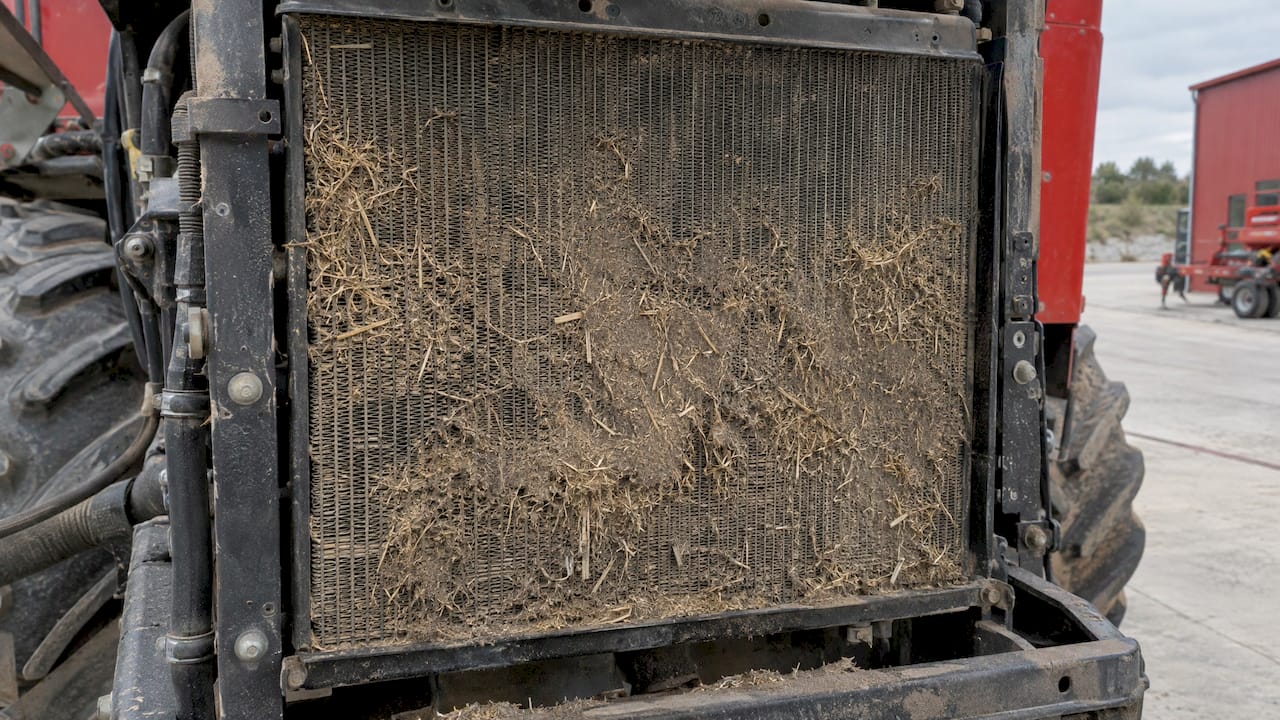
A partly clogged core often shows up only under heavy load. Look for chaff, dust, oil film and packed mud between fins on farm and construction machines. Blow from the engine side outward. In dusty work, the radiator may need cleaning during the shift, not just at service time.

Chaff and dust packed between radiator fins

Check the shroud too. A missing or loose shroud lets the fan draw air from the wrong place and cuts the airflow through the core.

3. Belts, fan and fan clutch

A slipping belt reduces water pump and fan speed exactly when you need them. It slips more under load, which is why it can pass an idle check. Check tension, glazing and cracks. On clutch-driven fans, confirm that the fan locks up when it should. A weak clutch can mimic a radiator or pump fault, so confirm fan engagement before you condemn other parts, as the specialists at Diesel Diagnostic and Repair point out.

4. Thermostat

A thermostat stuck closed usually shows up fast: the upper hose gets hot, the lower hose stays cool, and the temperature rises soon after start. A thermostat that is only sluggish is harder to catch. Check its opening temperature against the engine manual, not against a general figure. Different engines use different ratings, and the wrong one will either run the engine too cool or too hot.

5. Water pump

Bohacz notes that a centrifugal pump driven faster than its design speed actually loses flow, and that cavitation is a high-load failure. A worn impeller or bearing can reduce circulation with no puddle under the machine. If belts, fan, core and thermostat all check out and the engine still overheats only under load, the pump moves to the top of the list.

6. Head gasket and combustion side

Steady coolant loss with no external leak, milky oil or bubbles in the coolant point to a head gasket or other internal leak. Treat that as a workshop job, not a roadside fix.

If the cooling circuit is sound, look at what is producing the heat. Excess fuel delivery, incorrect injection timing, worn injector spray patterns and restricted intake air all raise combustion temperatures. The engineering firm SFRM advises comparing actual load, speed, boost pressure, exhaust temperature and fuel consumption against the manufacturer’s operating data when temperature climbs only above a certain load.

Oil, load and operating conditions

Oil carries part of the heat away. One fire-investigation guide lists low or degraded oil as behind 8 to 10 percent of overheating cases and excessive load behind 5 to 7 percent. Check the oil level and condition as part of the same inspection, because both problems often sit together.

Then ask whether the engine is being asked to do too much. Africa Automotive News notes that towing, heavy cargo and climbing force more intense combustion and can overwhelm a cooling system not calibrated for it. In the field this looks like:

  • A tractor lugging in too high a gear while mowing or baling. Drop a gear and keep revs up so the fan and pump turn faster.
  • A generator carrying more than its continuous rating.
  • A propulsion engine with a propeller that loads it beyond rated rpm.
  • A pump drive whose process resistance has crept up as the system fouled.

In each case, check against the manufacturer’s rated output and operating data before you replace anything.

Marine and generator engines: extra checks

On raw-water-cooled marine engines, a good deal of the circuit is outside the engine block. Check the sea cock is fully open, clean the raw-water strainer, inspect the pump impeller for missing vanes or cracks, and look at the heat exchanger for fouling or a blocked tube bundle. Any of these can cut cooling with no leak to see. On a closed-circuit engine, the coolant side has its own thermostat and pressure cap, so the checks above still apply.

On generators, ask when the problem appears. A standby set that overheats only during a load-bank test is a different case from one that overheats on its first hour of real duty. Ventilation, room temperature and exhaust restriction around the enclosure matter as much as the radiator. Sustained load is where a generator’s cooling margin is used up.

Prevention: keep the margin the engine was built with

The aim is to keep the cooling system at its original capacity, because a rated engine has no spare margin to give away.

  • Clean the core on a schedule that matches the dust. Daily in harvest or demolition, weekly elsewhere.
  • Replace coolant on the engine maker’s interval, and use the type it specifies. Aged coolant protects less against corrosion and scale that restrict the core.
  • Replace belts, hoses, thermostat, cap and impeller as service items, not only when they fail. A hose that looks fine can collapse under pump suction at high rpm.
  • Treat the gauge as a warning, not a measurement of every part of the engine. Log temperature under load so you can see a trend before it becomes a stop.
  • Idle down before shutdown after hard work, as the Army manual advises.
  • Keep a small kit of the wear parts that fail under load for each engine type you service: thermostat, cap, belts, impeller and hoses.

Why the right part matters as much as the right diagnosis

Cooling parts look alike and are not. A thermostat with the wrong opening range, a cap with the wrong pressure rating, an impeller for a different pump housing or a belt a few millimeters off can leave you with the original fault and a second one. For Yanmar and Sensei engines in construction, agriculture, marine, generator, material handling and compact equipment, the part is tied to the engine model and the way it is used.

Promo

When the diagnosis points to a part, the job is to get the right one fast. Iberspares supplies spare parts for Yanmar and Sensei engines and equipment across construction and industry, agriculture, marine, power and generators, material handling and compact equipment. Our focus is on application-specific components, and we keep a broad stock for rapid dispatch, so a down machine does not sit waiting on the wrong part. Browse the categories at Iberspares genuine Yanmar and Sensei parts.

Iberspares

Have your engine model and serial number to hand when you order, so the part can be identified correctly the first time.

Perspective

Overheating under load is rarely one dramatic failure. It is a system that lost a few percent of its capacity in several places, and the first heavy day adds them up.

What we see in the way Yanmar and Sensei engines are specified is that the application decides the part. The same engine family can sit in a compact excavator, a generator set or a workboat, and each asks something different of the cooling circuit. That is why we focus on application-specific components and on identifying the correct part efficiently: a wrong thermostat or cap costs more in lost hours than the part costs on the shelf.

Our advice is the one in this article. Take the load off, find the restriction, change one thing at a time, and put back a part that matches the engine. We hold stock for rapid dispatch so the repair takes the time of the repair, not the time of the search.

Duarte

FAQ

Why does my engine overheat under load but run fine at idle?

Heat output rises sharply with power, so the cooling system has to reject many times more heat under load. A marginal part, such as a partly blocked radiator, a weak pump or a slipping belt, can cope at idle and fail at work. Check those first.

Can low oil cause an engine to overheat?

Yes. Oil carries friction heat away from moving parts, so low or degraded oil raises operating temperature. Check level and condition alongside the coolant, and change the oil on the engine maker’s schedule.

How do I tell a stuck thermostat from a clogged radiator?

With a stuck-closed thermostat the upper hose is hot and the lower hose stays cool, and temperature rises quickly after start. A clogged radiator tends to show only under heavy load, with a large temperature difference between inlet and outlet hoses. Compare readings against your engine manual.

Is it safe to keep working when the temperature climbs?

No. Reduce load or shift down right away, and shut the engine off if the temperature does not recover. Let it cool before you touch the cap: scalding coolant can spray under pressure.

Sources

Content strategy and optimisation for Google and AI-powered search platforms by Velveteen SaaS — specialists in online visibility and customer acquisition.
Posted on

Marine Diesel Maintenance: Schedules, Checks and Parts

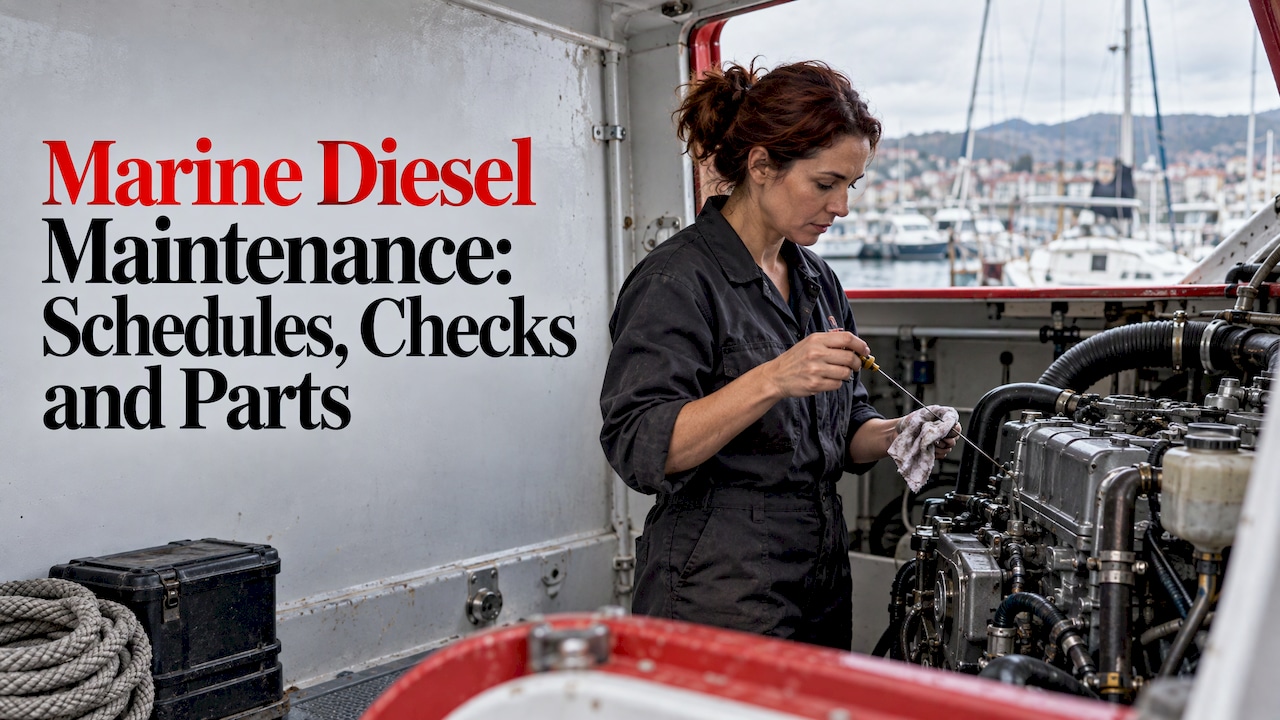
Technician checking a cold marine diesel engine

Marine diesel maintenance comes down to three things: checks you do every day, services you do by engine hours or calendar, and the right parts in your hands when a service falls due. The first two are set by the engine maker. The third is where fleets and workshops lose time, because a service planned for Tuesday stalls when the correct filter, impeller or anode is not on the shelf. For Yanmar and Sensei engines, Iberspares supplies application-specific parts, so the service schedule below can be matched to a parts list before the boat is hauled or the engine opened.

Iberspares
Have the Right Parts on Hand
Iberspares supplies application-specific Yanmar and Sensei parts for marine engines, helping fleets and workshops plan maintenance and repairs.

Visit

TL;DR

  • Check oil, coolant, fuel and leaks daily. The periodic schedule only works if the daily checks are actually done.
  • Typical intervals: oil and filters every 100 to 150 hours or at season’s end, fuel filters around 300 to 600 hours depending on the maker. Your engine’s manual overrides any general figure.
  • Severe duty (dust, frequent starts, poor fuel, long lay-ups) shortens every interval.
  • Keep a log of hours, top-ups, parts used and changes in exhaust color or temperature.
  • Plan parts by service interval, so filters, impellers, belts and anodes are on hand before the work starts.

Table of Contents

Daily and weekly checks that protect the engine

Every maker’s schedule starts with the same short routine. The Pacific Community’s diesel learner’s guide lists daily checks of lube oil, fresh water, fuel, the water trap, V-belts, leaks, gauges and the battery. The RYA’s guidance for boat owners adds a weekly layer: belt tension, gearbox oil, water or sediment in the tank, the raw-water strainer and battery electrolyte.

In practice, a good start-up sequence looks like this:

  1. Confirm the gearbox is in neutral and the seawater strainer is clean and open.
  2. Check engine oil and coolant levels, with the engine stopped and cool.
  3. Look for oil, fuel or water leaks around the engine, hoses and bilge.
  4. Drain any water or sediment from the fuel pre-filter or water trap.
  5. After starting, check oil pressure at once, listen for hard metallic knocks and confirm seawater is discharging overboard.

The guide describes these same points as the pre-start routine, including checking oil pressure immediately after starting and confirming seawater discharge.

Safety at the filler cap. Yanmar’s L-series operation manual warns that the coolant pressure cap must only be opened when the engine is cold, because hot pressurized coolant can be expelled violently and cause burns. The same manual calls for oil level checks with the engine cool and not running. Wear gloves and long sleeves, and never open a hot header tank.

Service intervals by engine hours

Intervals are set per engine family, and the manual for your model is the authority. Hours and calendar limits both apply, and whichever comes first triggers the service. Three reference points show the range.

Task RYA general guidance Yanmar L-series (2022 manual)
Engine oil and filter Every 100 to 150 hours or at season’s end 150 hours
Gearbox oil Every 150 hours or annually Per manual schedule
Fuel filters Every 300 hours Fuel pre-filter and fuel filter at 600 hours
Coolant Per maker 300 hours
Valve clearance Per maker 1200 hours

Sources: RYA guidance and the Yanmar L-series manual, which also lists services at 300, 600, 900, 1200, 2400 and 3000 hours or at calendar limits, whichever comes first.

The first 50 hours

New and rebuilt engines get an early service. Yanmar’s 4LHA manual explains that oil is quickly contaminated by initial wear of internal parts, so the first oil and filter change is done at 50 hours. For a workshop commissioning a repowered boat, that means ordering a second oil and filter set at the same time as the first.

A worked example for a working boat

Take a workboat on a Yanmar L-series engine that runs 600 hours a year. On the 150-hour oil and filter interval, that is four oil and filter changes a year. Coolant at 300 hours falls twice. The fuel pre-filter and fuel filter at 600 hours fall once, at roughly the same point as the fourth oil change. A single parts order at the start of the season, built from that schedule, covers the year. A pleasure boat that runs 50 hours a year is different: the calendar limit decides, and the RYA notes that the average sailing yacht runs only about 50 hours a year under power, so oil is usually changed once a year before lay-up.

Annual marine engine service intervals and frequencies

When conditions shorten the schedule

Published intervals assume normal operation. Maker manuals say so directly, and the Pacific Community guide notes that check frequency varies with engine use, conditions of use, oil quality and operating methods. Shorten the interval when the engine sees:

  • frequent starts and stops, or long periods at no load
  • dusty air in the engine room, which loads the air filter
  • long idle periods or a prolonged winter season
  • fuel or oil of uncertain quality

For commercial fishing boats, rental fleets and harbor craft, these are the normal conditions, not the exception. Treat the manual’s figure as a ceiling and set your own interval below it, based on what the log shows.

Fluids and specifications that matter

Using the right fluid matters as much as changing it on time. Yanmar’s L-series manual specifies:

These are specific to that engine family. Always read your own model’s manual and record the spec on the service sheet so the right oil goes in every time.

Anodes, hoses, impellers and the raw-water side

The seawater circuit wears out on its own timetable. The RYA’s annual list includes anodes, hoses and clips, the air filter, exhaust elbow, mounts and shaft coupling. Yanmar’s manual sets a clear anode rule: replace a zinc when corrosion has affected more than 50% of its volume, and in warm, very salty waters such as the Mediterranean, check anodes every 6 months.

Corroded zinc anode beside a sound replacement

For the raw-water pump, impeller checks appear in the periodic schedule rather than only at breakdown. Replacing it on schedule is cheaper than a overheated engine and a tow. If the boat spends long periods afloat in salt water, hull and deck corrosion is a related problem, and this guide to saltwater protection for boats covers the exterior side.

Winter lay-up and the end-of-season service

For seasonal boats, the end-of-season service is the main service of the year. The RYA explains that oil changes are often done in autumn so that combustion acids do not attack metal surfaces over winter. Pair it with the fuel filter, gearbox oil, anodes and impeller check, and order the parts before haul-out so the work is not waiting on freight. A winter lay-up checklist helps cover the rest of the vessel.

Keep a log

Yanmar’s manuals stress that keeping a log of engine hours, daily checks, repairs and parts used is essential, and that skipping periodic maintenance will shorten the life of the engine. A useful log has:

  • engine hours at each service
  • oil, coolant and fuel top-up quantities
  • dates and part numbers of every filter, belt, impeller and anode fitted
  • oil pressure and coolant temperature readings
  • any change in exhaust color, noise or vibration

For a workshop or fleet, the part-number column is the one that saves time at the next service. It also makes reordering a matter of looking up a line rather than identifying a part from scratch.

What you can do yourself and what needs a technician

Oil and filter changes, strainer cleaning, belt checks, anode swaps and fuel water draining are routine operator or in-house tasks. Maker manuals reserve some work for trained technicians: the Yanmar 4LHA schedule marks valve lapping and injector pressure and timing work as items to consult a dealer about. Do not clean an engine with compressed air or work near moving parts, and treat electrical diagnosis with dry hands and proper footing.

Planning parts around the schedule

A service schedule is also a parts forecast. For each engine, list what the next two services need: oil filter, fuel pre-filter, fuel filter, air filter, impeller, belts, anodes, gaskets and coolant. Then match each to the engine model and serial number. Most delays come from a mismatch: a filter for a similar engine, a belt for the wrong pulley layout, an impeller for a different pump.

Where we come in

Iberspares distributes spare parts for Yanmar and Sensei engines and equipment, with a marine category alongside construction, agriculture, power generation, material handling and compact equipment. We focus on identifying the right application-specific part, and we keep an extensive in-stock inventory for rapid dispatch, so routine service parts and emergency parts reach workshops, marinas, shipyards and fleet operators quickly. Browse the Yanmar and Sensei parts range and build your service kits ahead of the season.

Iberspares

Our point of view

Most marine engine failures we hear about start as small, scheduled jobs that slipped: a filter left past its interval, an anode left too long, an impeller put off because the part was not at hand.

That is why we think about maintenance as a parts problem as much as a labor problem. The schedule tells you what is due. The only question left is whether the correct part for that exact engine is on the shelf when the boat is on the lift.

Our knowledge is in Yanmar and Sensei applications, and in matching parts to the machine, whether it is a marine engine, a generator set or a compact tractor. We hold stock so that routine and emergency orders can go out fast and downtime stays short. For a workshop or a fleet, that means planning service kits in advance and ordering from one source that understands the application.

Duarte

FAQ

How often should a marine diesel be serviced?

Follow your engine’s manual, using hours or calendar time, whichever comes first. General guidance puts oil and filters at 100 to 150 operating hours or at season’s end, and Yanmar’s L-series manual sets the oil and filter change at 150 hours. Shorten intervals in severe duty.

What are the daily checks?

Check oil, coolant and fuel levels, drain water from the fuel pre-filter, look for leaks, and check belts, gauges and the battery. After starting, confirm oil pressure and that seawater discharges overboard.

How often should zinc anodes be replaced?

Yanmar’s manual says to replace a zinc once corrosion has affected more than half of its volume. In warm, very salty waters, check them every 6 months.

What is the first service on a new engine?

The first oil and filter change comes early, at 50 hours on the Yanmar 4LHA, because initial wear contaminates the oil quickly. Check your own manual for the exact break-in service.

Sources

Content strategy and optimisation for Google and AI-powered search platforms by Velveteen SaaS — specialists in online visibility and customer acquisition.
Posted on

Generator Fuel Problems: Causes, Diagnosis and Fixes

Diesel generator fuel system in service room

Most generator fuel problems come down to four things: old or contaminated fuel, air in the system, a restricted filter or line, and a worn pump or injector. Work through them in that order, cheapest check first, and you will usually find the fault before you replace anything expensive. When a part does need replacing, the fastest route back to a running set is matching the exact part number to your engine. That is where our Yanmar and Sensei parts work starts.

This guide is written for workshops, maintenance crews, rental fleets and operators who run diesel generator sets and engines on construction sites, farms, boats and standby power. It covers symptoms, a tank-to-injector diagnostic routine, storage and prevention, and the parts that typically need replacing.

Iberspares
Find the Right Generator Parts
Iberspares supplies Yanmar and Sensei engine and equipment parts to help workshops and operators source components for generator repairs.

TL;DR

  • Cranking but not firing, hunting RPM, black or white smoke and power loss under load all point first to the fuel system: contamination, air, or a blocked filter.
  • Diesel systems must be airtight. A tiny leak at a hose or filter gasket can stop the pump building injection pressure.
  • Diesel typically keeps 6 to 12 months in normal storage, so standby sets that only run short tests are the most exposed.
  • Check in order: fuel quality and quantity, shutoff valve and solenoid, filters and water separator, lines and priming, then pump and injectors.
  • Replace worn consumables with the right part first time. Identification errors cost more downtime than the part itself.

Table of Contents

Recognizing a fuel supply problem

A fuel problem rarely announces itself with a clear message. It looks like several different faults, so learn the patterns.

Symptom What it usually points to
Cranks but will not fire Air in the system, empty tank, closed fuel solenoid, lost prime
Starts, then stops Restricted filter or supply, lift pump fault, solenoid circuit fault, leak
Hunting or surging RPM Air entering the line, partly blocked filter, water in fuel
Black smoke Unburnt fuel, worn injectors, restricted air or excess fuel
White smoke Water in fuel or air leaks
Loss of power under load Clogged filter or separator, weak pump
Hard starting and high fuel use Worn injection pump or nozzles, incorrect timing

The signs in the first rows are described in a diesel generator fuel-system troubleshooting guide, which also names the three usual root causes: contaminated fuel (including microbial sludge from water in the tank), air from small hose or gasket leaks, and blocked filters and separators. The same guide notes that filters that clog more often than about every 250 hours are a sign that the fuel itself is the problem, not the filter.

A manufacturer’s troubleshooting guide for a diesel genset lists the causes when an engine starts and then stops: no fuel in the tank, a restricted filter or supply, an open circuit to or defective fuel solenoid, a lift pump malfunction, a fuel system leak, defective injector nozzles and a defective injection pump. That list is a useful map of where to look, and it is the order of the routine below.

Why air is the hidden cause

Petrol engines tolerate small leaks. Diesel injection does not. Air is compressible, so even a microscopic leak at a hose, a loose filter gasket or a poorly seated bleed screw stops the pump from building injection pressure. The result is the classic complaint: the engine cranks all day and never catches.

That is why “cranking but no fire” is more often air, a lost prime or a closed solenoid than a failed engine. If you changed a filter, ran the tank dry or opened any fitting recently, assume air first. Re-seat the filter, replace the gasket or O-ring, and prime again.

A practical note for workshops: replace filter seals and gaskets as part of every filter change. A reused seal is a common source of repeat call-outs.

A tank-to-injector diagnostic routine

Start at the tank and move toward the engine. Each step is quick, and each rules out a whole group of faults.

1. Check fuel quantity and quality

Confirm there is fuel, and that it is the right fuel. Draw a sample from the bottom of the tank or the sump and look for water, sludge or dark, stringy matter. Bottom sampling is the standard first test because water and sediment settle there.

Diesel sample showing water and settled sediment

On a marine or standby set, also check the tank vent and fill cap for blockage or damage. Water enters through failing seals and condensation.

Where fuel is old, the fix is to drain, clean and refill rather than to chase parts. Replacing injectors because of stale fuel is an expensive way to learn the lesson.

2. Check the shutoff valve and solenoid

Confirm the tank valve and any in-line shutoff are open. Then, with the key or controller at start, listen for the fuel solenoid to click. No click means checking fuses, connectors and wiring before anything else. A solenoid that does not open will starve the engine as completely as an empty tank, and the symptom is identical.

For a set with an electronic controller, the same troubleshooting logic applies: a damaged fuel relay is a documented cause of a cranking-but-not-starting condition in one generator operation and maintenance manual, alongside running out of fuel and losing prime.

3. Inspect filters and the water separator

This is where most fuel-flow faults end. A restricted primary filter, secondary filter or water separator lets the engine run at idle and then starve as soon as load rises. A diesel engine service manual lists a clogged fuel filter or water separator first among the causes of no fuel at the injectors, with replacement and bleeding as the remedy.

When you remove an old filter, look at it. Black or slimy residue, a sour smell, or milky liquid in the separator bowl suggests water and microbial growth in the tank, and that means cleaning the tank, not just fitting a new filter. If filters clog repeatedly, the cause is upstream.

For a work routine:

  1. Shut down and let the engine cool.
  2. Close the supply valve if fitted and place a drip tray.
  3. Replace the primary and secondary filters together with new seals.
  4. Drain the water separator.
  5. Prime and bleed before starting (see below).

4. Trace the lines and prime the system

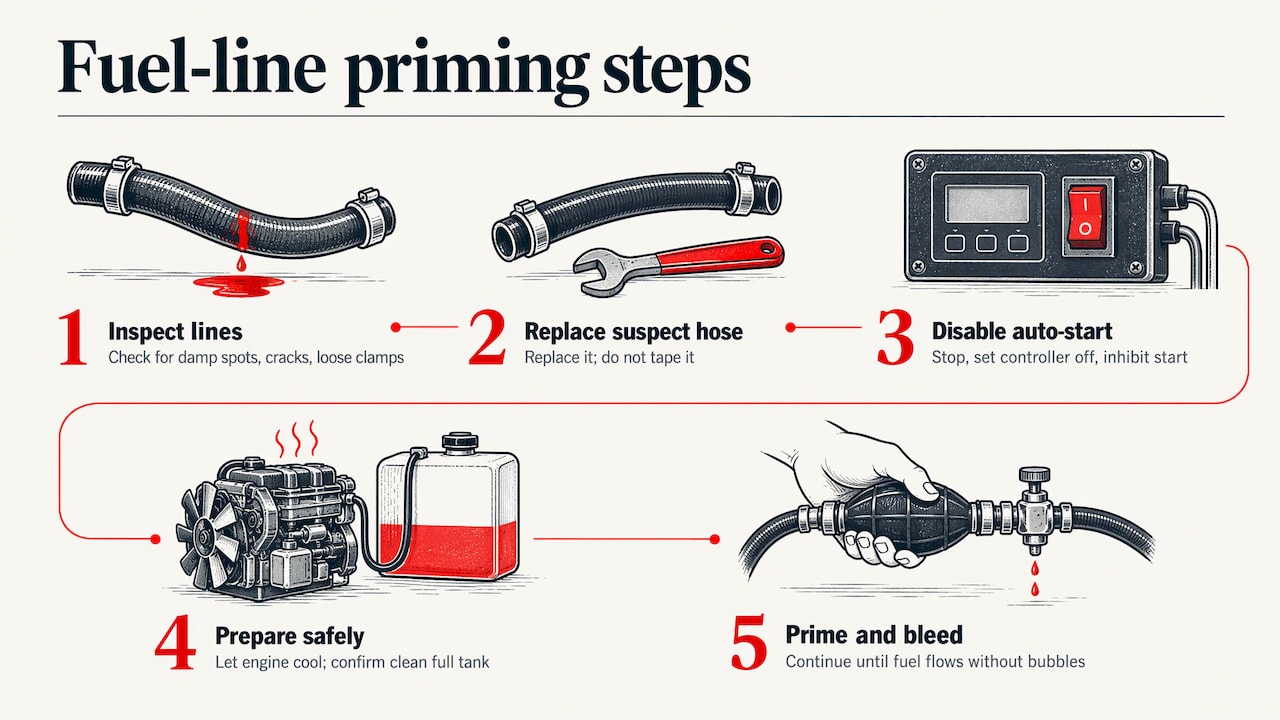
Walk the supply and return lines looking for damp spots, cracked or collapsed hose, loose clamps and chafing. Rubber hoses harden with age and heat, and a hose that looks fine can still draw air when the engine pulls fuel. Replace suspect hose instead of taping it.

Then prime. Use the manual primer pump and the bleed screw until fuel flows without bubbles. On electronically controlled sets, follow the maker’s prime procedure. One manual for a small diesel genset says to stop the engine, set the controller to off and activate the start inhibit switch, because in automatic mode the set may start without warning. It also says to let the engine cool fully to avoid burns, and to make sure the tank is full of clean diesel before priming. Follow that sequence on any set with an auto-start controller. Supply and return hoses should also meet the manufacturer’s size and temperature rating, so match them to the manual.

4. Trace the lines and prime the system

5. Test the lift pump

If filters are new, lines are sound and the engine still starves, test the lift pump. Disconnect the outlet line into a container and crank briefly: you want a steady, pulsing flow. Weak or no flow with a good supply points to the pump. A lift pump failure is a documented cause of an engine that slows and stops.

6. Consider the injection pump and nozzles

Last, and only after everything upstream checks out, look at the injection pump and injector nozzles. Wear in these parts causes hard starting, rough running, black smoke and higher fuel consumption. The same service manual attributes increased fuel consumption and hard starting to wear of the injection pump and nozzles, excessive injection and improper timing, as well as to worn cylinders or piston rings.

This matters for the fuel use question. Before blaming the fuel supply for a thirsty set, check load, timing and injector condition, because those, not a leak, are the typical fuel-system reasons for high consumption.

Stale and contaminated fuel: the standby problem

Diesel starts to oxidize once it is refined. A risk-engineering bulletin from an insurer states that its shelf life is typically 6 to 12 months under normal temperature and humidity, and that it can drift out of specification within weeks of production.

That makes standby generators the most exposed. A set that only runs a short test each month can hold the same fuel for a year or more and show the problem only on the day it has to carry load.

The same publication gives a prevention routine that works for any stationary tank:

  • Test the fuel to the ASTM D975 diesel standard at first fill and at least once a year.
  • Keep the tank at least two-thirds full to limit condensation.
  • Reserve around 5% of the tank volume as a sump and drain it at least annually.
  • Seal vents and ports against moisture and debris.
  • Clean the strainer or dirt leg every quarter.

Water is the enabler of microbial growth, the “diesel bug” that forms the black sludge in filters. Check the tank bottom for water on a regular schedule and fix the entry point, whether it is a cap, a vent or a cracked fill pipe.

One point on fuel specification: use the grade the manual calls for. Some service manuals specify No. 2 diesel to ASTM 2-D with a minimum cetane number. Fuel outside specification can cause hard starting or poor load holding.

Fuel problems on small gasoline sets

This article is aimed at diesel engines, but crews often service portable gasoline sets too. The pattern there is simpler: stale fuel, a gummed carburetor, a half-closed fuel valve, a clogged filter or a failed pump. The correction for stale fuel is to drain the tank and carburetor and refill with fresh fuel before replacing parts. Running the carburetor dry before storage prevents most repeat visits.

When the set is on a boat, a farm or a job site

The fuel faults are the same, but the causes shift with the application.

  • Marine: water ingress and condensation, long idle periods in marinas, and vibration that works hoses and clamps loose. Check the separator before every season.
  • Agriculture: dust, drums and transfer cans that introduce dirt, and irrigation or grain-drying sets that sit unused between seasons.
  • Construction and rental: fuel of mixed age from site tanks, hard use, and sets returning from hire with unknown fuel history. Drain a bottom sample before reuse.
  • Standby and emergency power: long storage, infrequent runs, and the cost of a failure at the worst moment.
  • Material handling and compact equipment: small tanks, frequent refueling and filter loading from dirty fuel.

For a fleet, the cheapest improvement is a written inspection routine: fuel sample, filter condition and hose check recorded at each service, so patterns show up before a breakdown does.

Checking electrical and mechanical fuel components

Many starts-then-stops faults sit in the electrical side of the fuel system: the solenoid, relay, fuses and the wiring between them. Test for supply voltage at the solenoid while cranking and check coil resistance against the manual’s figure. When you are sourcing test gear or replacement electrical items, an industrial equipment marketplace with utilities and power system equipment listings can help you locate what you need.

Which parts usually need replacing

In real service work, fuel problems tend to end with a short list of items:

Part Typical reason to replace
Primary and secondary fuel filters Restriction, contamination, scheduled service
Water separator and bowl Water or sludge present
Filter seals and O-rings Air ingress after filter change
Fuel hoses and clamps Cracking, softening, damp spots
Lift pump Weak or no flow with a clean supply
Fuel solenoid or relay No click, no voltage, burnt coil
Injector nozzles Black smoke, rough running, high consumption
Injection pump Hard starting after upstream faults are cleared

Two habits cut repeat failures. Replace filters as a set with new seals, and stock the common consumables for each engine model you service so a fuel fault does not turn into a waiting period.

Perspective

Most of the fuel faults we hear about are not exotic. They are a filter that was the wrong one, a seal that was reused, or a part that was close to the right one but not the right one. Then the set sits while someone works out what went wrong.

Our focus is Yanmar and Sensei engines and equipment, and the applications they live in: construction, agriculture, marine, power generation, material handling and compact equipment. Knowing the application matters because the same engine family is fitted differently in a genset, a tractor or a boat, and the correct fuel filter, pump or injector depends on that.

That is why we put so much weight on identifying the right part quickly and keeping a broad stock for rapid dispatch. For a workshop or a fleet, the real cost of a fuel problem is the hours of downtime, and the best way to cut them is to diagnose fast, fit the correct part once, and get the set back on load.

A good routine plus the right parts on the shelf beats heroic troubleshooting every time.

Duarte

Getting the right part for your Yanmar or Sensei engine

If your diagnosis ends at a filter, hose, pump, solenoid or injector on a Yanmar or Sensei engine, we supply parts for these engines across construction and industry, agriculture, marine, power and generators, material handling and compact equipment. We focus on identifying the correct application-specific component and keep extensive inventory for rapid dispatch, so you spend less time waiting and less time returning the wrong item.

Iberspares

Browse the range at Iberspares genuine Yanmar and Sensei parts, or start from the main store and pick your sector. Have the engine model and serial number ready when you order.

FAQ

How long before diesel goes bad in a generator?

Diesel typically lasts about 6 to 12 months under normal temperature and humidity, and it can be out of specification within weeks of production. Keeping the tank mostly full, draining the sump and testing the fuel annually extend its useful life. Gasoline with ethanol goes stale much faster, so small sets need fresh fuel or a stabilizer.

Why does my generator start and then stall?

The usual fuel-side causes are no fuel in the tank, a restricted filter or supply line, a lift pump fault, a leak, or a solenoid circuit fault. Check the filters and water separator first, then confirm the solenoid is energized and the lines are airtight. If the fuel supply checks out, look at the injectors and injection pump.

Why is my generator using so much fuel?

Higher consumption is typically tied to load, worn injectors or injection pump parts, improper injection timing, or engine wear such as worn cylinders or piston rings. A fuel leak is also possible, so check the lines and fittings for damp spots. Compare the actual load with the set’s rating before you start replacing parts.

How do I get air out of a diesel generator fuel system?

Stop the engine, let it cool, and on sets with an auto-start controller put it in off and use the start inhibit function so it cannot start unexpectedly. Make sure the tank has clean fuel, then prime with the hand pump or the controller’s prime function and open the bleed screw until fuel flows without bubbles. If air returns, look for a loose fitting, a worn seal or a cracked hose on the supply side.

Sources

Content strategy and optimisation for Google and AI-powered search platforms by Velveteen SaaS — specialists in online visibility and customer acquisition.
Posted on

Diesel Engine Replacement Parts: How to Source the Right Ones

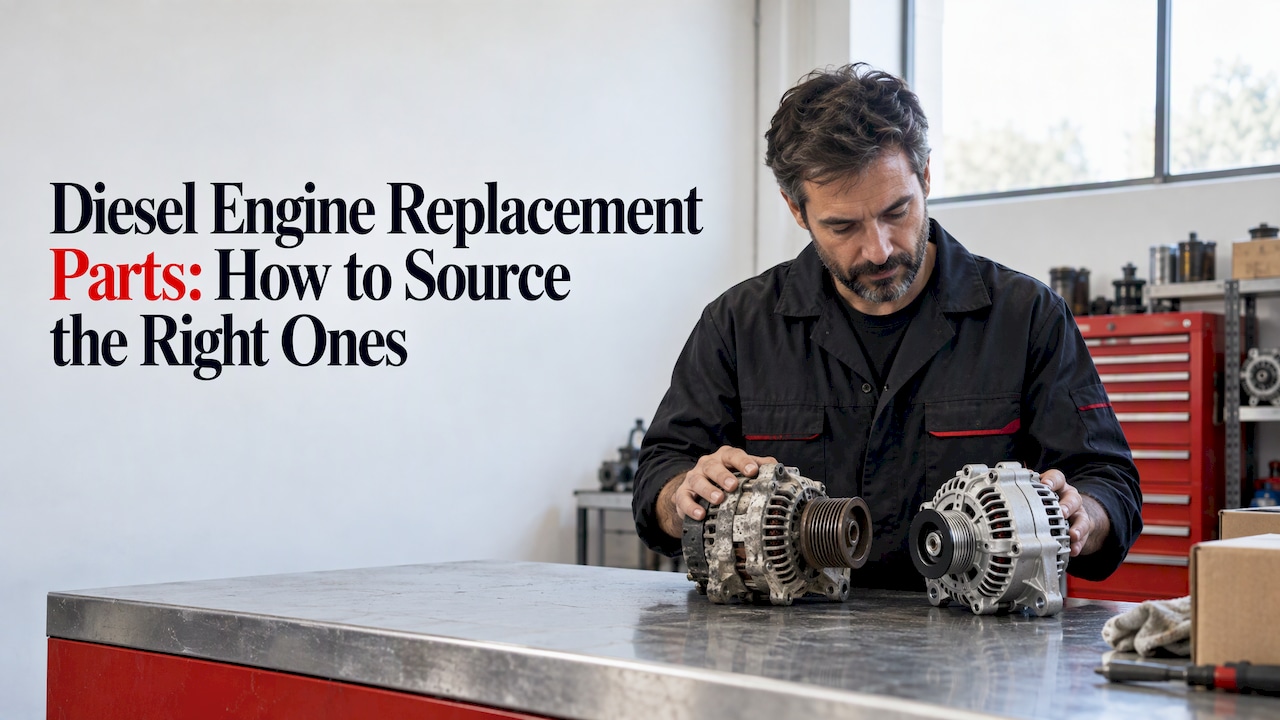
Technician comparing two diesel alternators

The right diesel engine replacement part is the one matched to your exact engine and application, delivered before the machine has sat idle long enough to cost more than the part. For Yanmar and Sensei engines, that means identifying the part from the engine’s own data rather than from the machine’s name, and buying from a supplier that keeps the application-specific components in stock. We built Iberspares around that job: Yanmar and Sensei parts for construction, agriculture, marine, power generation, material handling and compact equipment, sold online to professional buyers.

This guide is written for workshops, maintenance teams, fleet operators, rental companies and dealers who buy parts for a living. It covers what gets replaced, what a rebuild actually needs, how to identify the correct part, and what to check before you order.

Iberspares
Source the Right Engine Parts
Find application-specific Yanmar and Sensei parts for construction, agriculture, marine, and power generation equipment through Iberspares.

Visit

TL;DR

  • Most diesel replacement demand falls into three groups: scheduled service items (filters, belts, seals), wear parts (injectors, pumps, turbochargers) and rebuild components (pistons, liners, bearings, gaskets).
  • Match parts to the engine model and serial number, then to the application, because the same engine family is often configured differently for a excavator, a generator set or a boat.
  • Downtime usually costs more than the part. Stock availability and correct identification matter as much as unit price.
  • For a rebuild, decide the scope first (what is replaced as new, what is reused) so quotes and parts lists can be compared like for like.
  • Iberspares supplies Yanmar and Sensei parts across eight categories, from compact equipment to marine and generators.

Table of Contents

What counts as a diesel engine replacement part

The phrase covers anything you fit to a diesel engine to replace something worn, failed or due for service. In practice, buyers sort it into three tiers, and each has a different buying pattern.

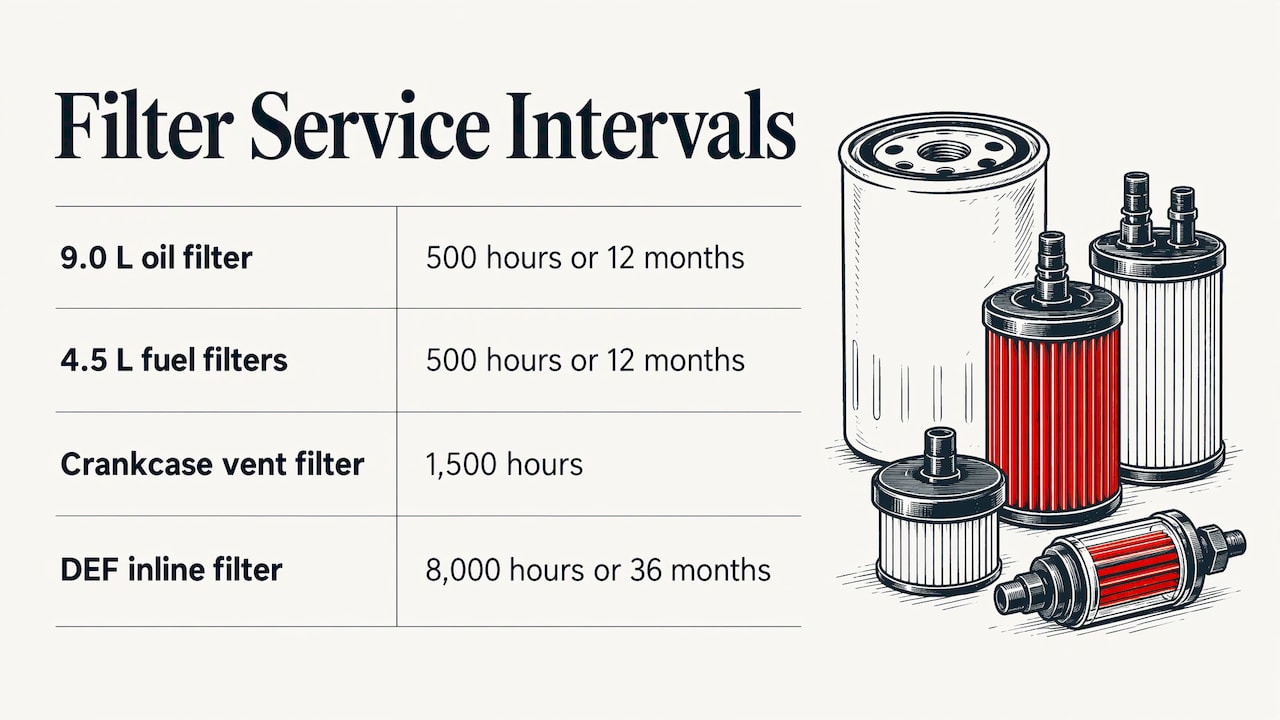
Scheduled service items. These are replaced on a calendar or by hours of operation. A manufacturer’s service guide for one 9.0 L industrial engine, for example, lists an oil filter to be replaced at 500 hours or every 12 months, whichever comes first. Another guide for a 4.5 L Stage V engine puts primary and secondary fuel filters on the same 500-hour or 12-month cycle, while a crankcase ventilation filter runs at 1,500 hours and the DEF inline filter at 8,000 hours or 36 months. The intervals differ by engine, so the service schedule for your exact model is the reference, not a general rule.

Example diesel engine filter service intervals

Wear and failure parts. Injectors, fuel pumps, turbochargers, water pumps, starters, alternators and sensors. These fail unpredictably, which is why availability matters more here than anywhere else. UK light commercial vehicle claims data for 2025 shows diesel injectors and alternators each accounting for 6% of claims, with average claim costs of £782.67 and £508.90, and turbochargers averaging £800.90. That is road-vehicle data from the United Kingdom, but it shows where the money goes when a diesel ages: fuel system and boost components.

Rebuild components. Pistons, rings, liners, bearings, gaskets, oil pumps, cylinder heads and seals, bought when the engine is opened up. We cover these in their own section below.

Spares by sector: what each fleet actually needs

The same wear pattern does not apply across industries. Duty cycle drives what you stock.

Construction and compact equipment

Excavators, loaders and compact machines spend long hours at partial load and idle, in dust. Air and fuel filters, injectors, starters, alternators, cooling parts and hoses see the most turnover. Compact equipment tends to run small engines hard, so service kits for routine maintenance are the first thing to keep on the shelf.

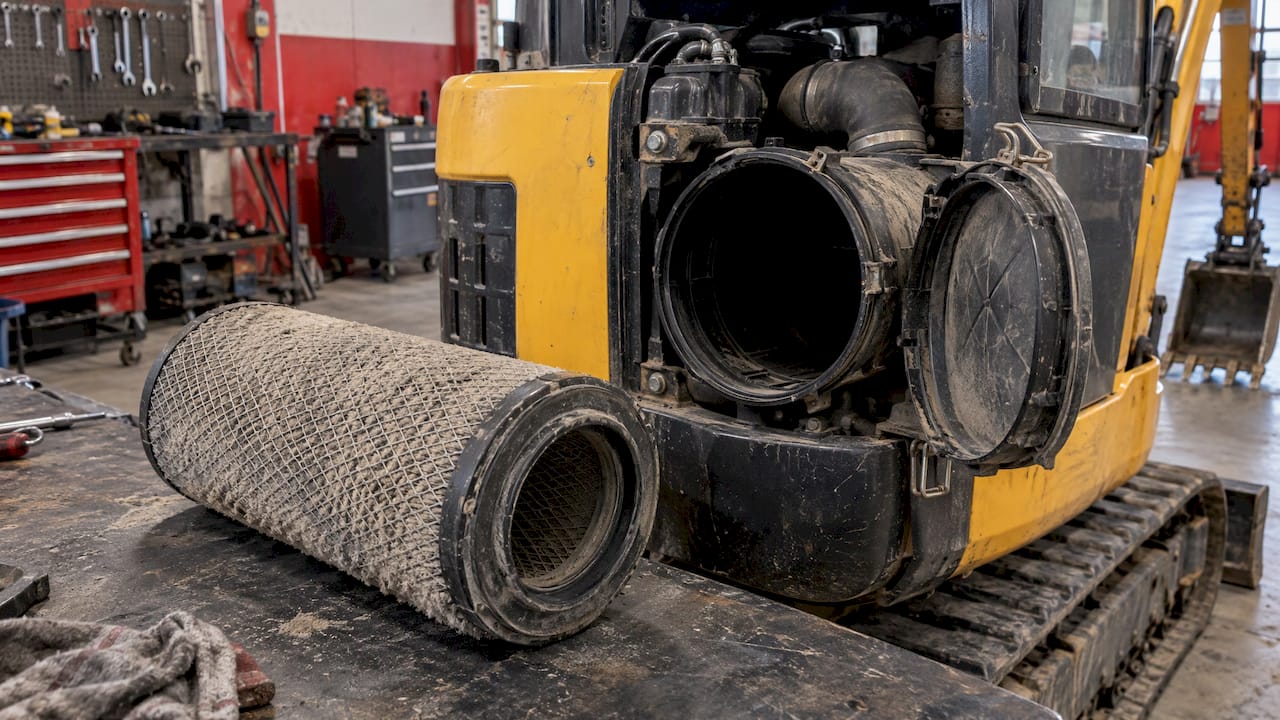
Dusty air filter beside compact excavator housing

Agriculture

Harvest and planting seasons make downtime expensive in a way no invoice shows. Fuel filtration, water pumps, belts, injectors and starters are the usual suspects, and the smart move is to buy service parts for the whole season before it starts.

Marine

Salt water and constant load make cooling system parts the focus: impellers, heat exchanger components, thermostats, gaskets and anodes alongside fuel and oil filters. Commercial fishing boats and shipyards cannot wait weeks for a pump, so supplier stock position matters.

Power generation

Generators sit idle, then must start on demand. Fuel filters, batteries, starter motors, belts, coolant hoses and governor-related parts are the typical replacements. For emergency power providers, the part that fails is usually the one nobody exercised or serviced on schedule.

Material handling

Forklifts and similar machines running multiple shifts need filters, belts, starters and cooling parts on a predictable cycle. In-house maintenance teams at logistics operations benefit from consolidating these into one reorder routine.

Rebuild components: what an overhaul kit contains

An overhaul is where the parts list grows, and it is where mismatched scope causes the most trouble. A trade article on overhaul practice describes one heavy-duty engine’s tiered programme: the basic step covers cylinder kits (pistons, rings, pins, bushings, liners and seals), connecting rods, oil pump, filters, gasket sets, bearings and a head bolt set. The next step adds items such as a high-pressure fuel pump, cylinder head assembly and thermostat, and the top step adds the turbocharger, water pump and fuel injectors.

Two practical lessons come out of that structure.

  1. Scope is a decision, not a default. The article quotes a powertrain product manager who says the right package depends on the type of wear the technician sees and how long the fleet plans to keep the engine in service. A short-life engine and a ten-year engine justify different parts lists.
  2. Skipping components carries risk. A service supervisor quoted in the same piece typically pushes customers toward the highest overhaul level, because a component left unreplaced can fail and destroy the freshly overhauled engine, and skipping parts can have warranty implications.

When the inspection findings and the intended engine life are clear, writing the parts list is straightforward. Work from the measured wear: bore and liner condition, bearing clearances, head flatness, injector and turbo condition. Then add the gasket and seal sets that should never be reused.

New, remanufactured or reconditioned

Remanufactured is not the same as reconditioned. One engine maker’s reman handbook describes a process in which the core is fully disassembled, sorted by part number, cleaned without removing metal and inspected, with only parts restorable to original specification reused. That is a controlled industrial process. A “rebuilt” part from an unknown source may mean anything from a full reman to a quick clean and repaint, so ask what was replaced and what was measured.

Warranty terms also differ between new and reman. One manufacturer states that new and remanufactured parts carry a 12-month, unlimited-mileage limited warranty that can vary by model and application. Whatever you buy, read the warranty for coverage, duration and whether labor is included.

If you are replacing a part that is no longer catalogued, the engineering side matters too. Shops that fabricate or reconstruct parts need fit and function intent before dimensions, and reverse engineering replacement parts without drawings lays out how that works. For any engine still in the catalog, though, a correctly identified stock part is faster and carries a clear warranty path.

How to identify the correct part

Wrong parts cause more lost days than slow shipping. Follow this sequence.

  1. Start from the engine, not the machine. Machine makers change engines mid-production. Record the engine model and serial number from the engine data plate. If the plate is oily or corroded, clean it carefully until the characters are legible, and photograph it.
  2. Record the application. The same engine family can be set up differently for a marine propulsion installation, a generator set and a construction machine. Cooling circuits, governors, exhaust components and mounting arrangements differ. Note the machine make, model and year, plus the sector.
  3. Pull the original part number if you can. If the old part is on the bench, the number cast or stamped on it is the strongest lead. Photograph it before cleaning off any markings.
  4. Compare dimensions and connection details. Before you pay, check the new part against the old one: mounting points, port positions, thread sizes, connector shape, length. A photo from your supplier helps.
  5. Confirm quantity and companion parts. Gaskets, O-rings, bolts and clamps are single-use on many jobs. Order them with the main part so the machine is not stuck waiting on a seal.
  6. Keep a record. Write the engine serial number, part numbers and date next to the machine’s record. The next replacement becomes a five-minute job.

This is where specialist knowledge of Yanmar and Sensei applications pays off. Our team identifies application-specific components, which is meant to cut the errors and delays that come from guessing between near-identical variants.

Before you order: a pre-purchase checklist

A rebuild or major replacement should not start until the diagnosis is certain. A rebuild-cost guide recommends confirming that the problem is internal wear through tests such as compression testing, blow-by measurement, oil analysis, coolant pressure testing, injector and turbo checks and electronic diagnostics. Replacing parts on a hunch is how teams pay twice.

Once diagnosis is settled, check these points:

  • Exact scope. Which parts are new, which are reconditioned and which are reused? Compare supplier lists and workshop quotes on identical scope.
  • Parts brand and quality. Make sure the parts are meant to meet original specifications for your engine.
  • Warranty. Length, coverage, and whether labor is covered.
  • Lead time. Ask for a realistic delivery estimate and what could extend it, such as back-orders.
  • Fluids and consumables. Oil, coolant, filters and sealants belong on the same order.
  • Timing. If the machine is seasonal, schedule the work for the quiet period.

Planned maintenance protects you from emergency buying. Manufacturers also package routine maintenance kits, such as injector cup and exhaust manifold kits, so that commonly overlooked items are handled during a scheduled stop rather than a breakdown.

Stocking strategy for workshops and fleets

A small, disciplined shelf beats a large, random one. Build it in layers.

Layer one: consumables. Filters, belts, gaskets, seals and fluids for every engine model you service. These are predictable and should be reordered by hours, not by running out.

Layer two: high-failure items. Starters, alternators, water pumps, thermostats and injectors for the engines that carry the most hours. Keep one of each for your critical machines, particularly generators on standby duty.

Layer three: kits. Complete service kits per engine model, so a technician pulls one box instead of assembling a list.

Layer four: a supplier for the rest. Even a well-stocked shelf will miss something. The final layer is a supplier that carries both routine and emergency parts for your engine brands, so the unpredictable failure becomes an order and not a search. For Yanmar and Sensei equipment, that is the role Iberspares plays.

Multi-brand technical service providers and parts distributors can apply the same logic: keep a standard stock by brand, track which engine serial numbers you service, and consolidate reorders so that identification work is done once.

Perspective

Every week, the hardest part of a parts order is not the price. It is knowing which of three near-identical parts belongs on this particular engine in this particular machine.

That is why we focus on Yanmar and Sensei. Our approach is built on knowing how these engines are applied across construction, agriculture, marine, power generation, material handling and compact equipment, so we can help identify the right component quickly and keep the order moving. We keep extensive stock for rapid dispatch, because a machine that is down is the most expensive line on your books.

Our advice to workshops is simple: record the engine serial number, note the application, and order service parts together with the main component. If you do that, the process is fast and the first fit is far more likely to be right.

Duarte

Get Yanmar and Sensei parts from Iberspares

If you maintain Yanmar or Sensei engines or equipment, our online catalog covers Yanmar parts, Sensei parts, construction and industry, agriculture, marine, power and generators, material handling and compact equipment. It is built for professional buyers: repair workshops, maintenance companies, dealers, rental fleets and operators who need routine and emergency parts without delay. Browse the range at Iberspares Genuine Yanmar and Sensei Parts and order online.

Iberspares

FAQ

What are the most commonly replaced diesel engine parts?

Filters (oil, fuel, air) are replaced most often, on hours-based or calendar schedules. Beyond those, injectors, fuel pumps, turbochargers, water pumps, starters, alternators and sensors are the usual failure items. Rebuild parts such as pistons, liners and bearings are replaced only when the engine is opened for overhaul.

How do I find the right part for my engine?

Start with the engine model and serial number from the data plate, then note the machine and its application. Add the original part number if the old part is available. Comparing the new part against the old one for mounting points, ports and connections before fitting prevents most returns.

Are remanufactured parts as good as new?

A true remanufacturing process involves full disassembly, cleaning, inspection and reuse of only parts that can be restored to specification, as described in one engine maker’s remanufacturing handbook. Warranty terms vary by part and application, so read the coverage before you order.

What should I replace during a diesel engine rebuild?

The parts list follows the measured wear and how long you plan to keep the engine. A basic overhaul covers cylinder kits, rods, bearings, pumps, filters and gaskets; higher levels add the fuel pump, cylinder head, turbocharger, water pump and injectors, as laid out in this overhaul practice article. Always replace gaskets and seals rather than reusing them.

Sources

Content strategy and optimisation for Google and AI-powered search platforms by Velveteen SaaS — specialists in online visibility and customer acquisition.
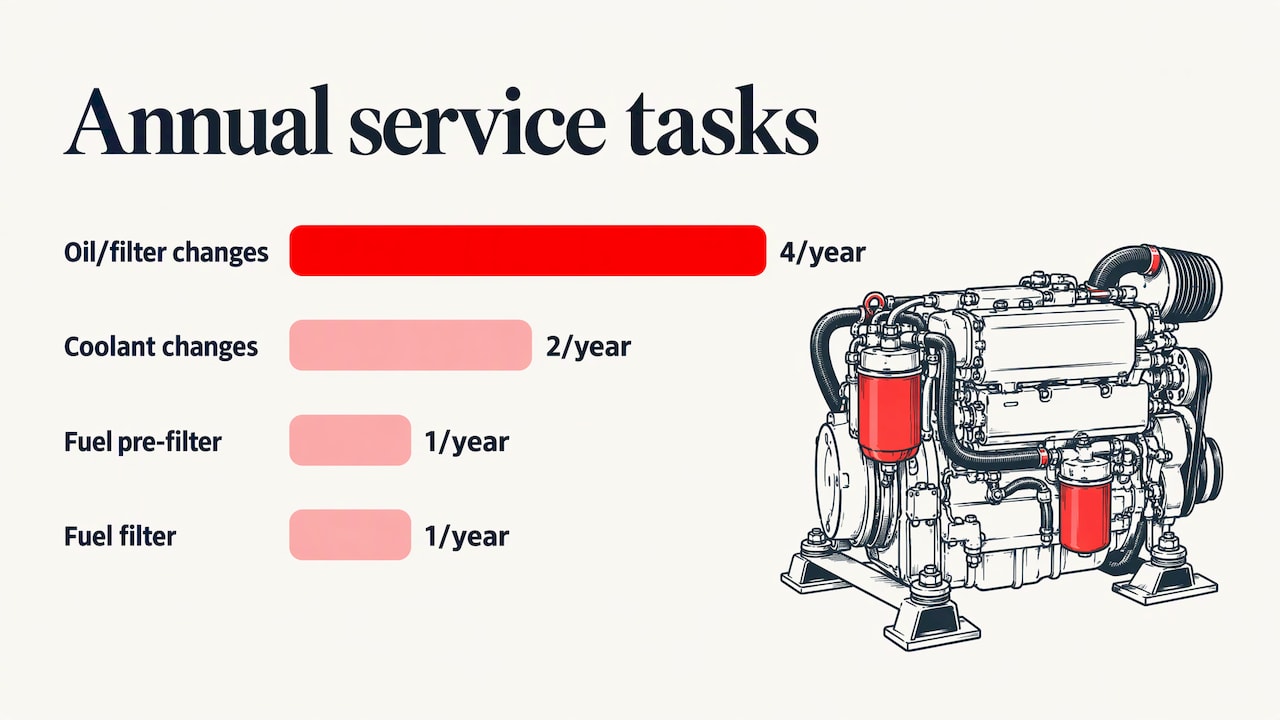
Posted on

Cylinder Head Replacement Components for Diesel Engines

Diesel cylinder head on a workshop bench

A cylinder head job is rarely just a head. On a diesel engine in a excavator, tractor, generator set or marine installation, the parts you order together decide whether the machine goes back to work once or comes back in a month. The reliable approach is to identify the engine and application first, then order the head, the sealing set, the fasteners and the valve train components as one matched list. That is how we approach it at Iberspares for Yanmar and Sensei engines, and this guide gives you the list and the reasoning behind it.

Iberspares
Find the Right Engine Parts
Iberspares supplies Yanmar and Sensei engine parts for construction, agriculture, marine, and power generation equipment.

Visit

TL;DR

  • A replacement head job involves four groups of parts: the head itself (bare or equipped), the sealing set, the fasteners, and the valve train components.
  • An equipped head, which arrives with valves, springs, guides and seats fitted, can save parts cost and assembly time compared with a bare head.
  • Some damage means replacement rather than repair: cracks, badly worn valve seats and sealing surface damage are not repairable by welding or stitching under the U.S. guidance for newer emissions engines.
  • Fit depends on engine model, serial range and application, so work from the exact model’s parts catalog, not from the engine family name.
  • Order the gasket set, bolts and seals in the same order as the head, so the machine is not stuck waiting for a small part mid-job.

Table of Contents

What the cylinder head does, and why it matters for parts selection

The cylinder head closes the top of the combustion chambers and carries the parts that control what goes in and out of them. According to FPT Industrial’s cylinder head guide, the head is the seat for the valve train: intake and exhaust valves, cones, springs, rocker arms, tappets and camshaft. On a diesel it also carries the injectors, and it routes coolant to the block. The head gasket keeps coolant and oil out of the combustion chambers. The same guide notes that heads are aluminum alloy for light applications and cast iron for medium and heavy engines.

Cylinder head components and their functions

That list is the parts list. Every item the head carries is a wear item or a sealing item, and each can be damaged by the failure that made you pull the head, or by the removal itself.

The four groups of replacement components

1. The head: bare or equipped

A bare head is the casting alone. An equipped head comes with valve guides, valve seats, bushings, caps, O-rings, valves, springs and valve cones already fitted, along with injector holder cases. FPT Industrial describes this in its own range and says an equipped head saves the cost of buying those components one by one and up to one hour of assembly compared with a bare head, per the same FPT guide.

For a workshop billing by the hour, or a fleet with a machine down, that trade-off is worth working out before you order. If the head is cracked and everything on it is worn, an equipped head replaces a long list of separate lines with one. If the casting is sound and only the wear parts need attention, individual components make sense.

2. The sealing set

The gasket set is where small omissions cause big delays. A typical head gasket set for a diesel includes:

  • the head gasket itself, made to withstand high temperatures, high pressures and metal expansion
  • the valve cover gasket
  • valve stem seals
  • injector seals, sleeves or O-rings, depending on the design
  • intake and exhaust manifold gaskets
  • thermostat housing and coolant passage seals where the design calls for them

Sets are specific to the engine model. A set for one three-cylinder model will not cover a four-cylinder of the same family, and different thickness grades of head gasket exist on some engines. Order by the engine’s exact model and serial number, not by displacement.

3. Head bolts and fasteners

Head bolts are the component most often reused when they should not be. Many modern engines use bolts designed to stretch to a specified clamp load when tightened, and the manufacturer’s procedure tells you whether they are single-use. Follow the service manual for your engine: it gives the tightening sequence, the torque and any angle steps, and whether the bolts are replaced. Reusing a bolt that the manual marks as single-use puts the new gasket at risk of losing clamp load.

Order the bolt set with the head. It is a cheap line item compared with doing the job twice.

These are the parts that sit in or on the head and wear with hours:

  • Valves: intake and exhaust, replaced or reconditioned depending on face and stem condition.
  • Valve guides: worn guides let the valve run off-center, which wears the seat unevenly.
  • Valve seats: the surface the valve closes on, subject to wear and recession.
  • Valve springs: checked for free length and pressure.
  • Valve stem seals: replaced with every head job.
  • Rocker arms, tappets and camshaft components: inspected for wear and clearances.
  • Injector sleeves and seals: on diesels, the sealing surfaces here matter for compression and fuel system integrity.

When the head must be replaced rather than repaired

Not every damaged head is a candidate for rework. The NHTSA-published cylinder head reuse and replacement guideline for U.S. 2004 and newer emissions engines, commonly 2007 model year and later, requires replacement of the head for:

  • any cracks
  • damaged or excessively worn valve seats
  • damage from rotated valve springs
  • fretting under the head bolt flange or in the camshaft bearing housings
  • pitting of the injector sleeve O-ring sealing surface

The same document states that welding or metal stitching of any part of the head is not an approved repair. This applies to the engines it covers, so check your engine’s service documentation for its own limits, particularly outside the U.S. market.

For workshops, this is a useful screening list. If a head fails one of these checks, the question is no longer whether to replace it but which head and which components to order with it.

Typical reasons heads come off

Vehicle Service Pros notes that head work is typically required because of a failed head gasket, worn or damaged valves and valve guides, or cracks in the casting, and that a head warped beyond acceptable limits may be corrected or replaced. Overheating is a common root cause behind warpage and cracking, so a head job should come with a look at the cooling system: thermostat, water pump, hoses and the coolant itself.

Inspection limits to measure before you order

Measuring the removed head tells you what you need to buy. The limits differ by engine, so the figures in your service manual govern. To show the kind of checks involved, one published passenger-car service manual, the 2010 Toyota Prius repair manual, sets maximum head warpage at 0.05 mm on the block side and 0.10 mm on the manifold sides. It calls for dye-penetrant crack checks, gives a spring free length with a maximum deviation, and specifies camshaft thrust clearance. It also requires new spark plug tubes with a new head. Those numbers belong to that gasoline engine and are not a diesel specification, but the checklist structure carries over:

  1. Flatness: lay a straightedge along and across the head face and measure with feeler gauges against the manual’s limit.
  2. Cracks: inspect between valve seats, around injector bores and in coolant passages; use dye penetrant where the manual calls for it.
  3. Valves and guides: measure stem-to-guide clearance and check for off-center wear.
  4. Seats: check width, recession and condition.
  5. Springs: measure free length, squareness and, where specified, load.
  6. Camshaft and bearing surfaces: check clearances and look for fretting in the housings.

Each failed check maps to a part number you add to the order.

A worked example: building the order for a marine diesel head job

Take a raw-water-cooled marine diesel that has overheated after an impeller failure, with white exhaust smoke and coolant loss. The head comes off and shows a warped face and a seat that has recessed on one exhaust valve.

The order list becomes:

Need Component Why
Head fails flatness limit and seat is worn Replacement head, equipped if the guides, valves and springs are also worn Seat damage is a replacement trigger under the U.S. guidance above for the engines it covers
New seal Head gasket set Gasket, valve cover gasket, valve stem seals, injector seals
Clamp load Head bolt set Replace per the service manual
Overheating cause Cooling system parts, such as thermostat and impeller Prevents a repeat failure
Reassembly Manifold gaskets, O-rings, sealing washers Typically opened during the job

The point of building the list before ordering is that a boat or generator set that is stripped down cannot wait for one forgotten seal.

Matching components to the exact engine and application

This is where most wrong-part orders start. A head for one engine family can look identical to another and still differ in port layout, valve count, gasket thickness or injector bore. Engines with more than two valves per cylinder can use shared (siamese) ports, and cross-flow designs place intake and exhaust on opposite sides of the head, which is one reason a visual match is not enough.

Work through these identifiers:

  1. Engine model and serial number from the engine’s data plate, not the machine’s plate.
  2. Application: the same engine block can be fitted with different heads, turbochargers, manifolds and cooling arrangements in marine, generator and industrial versions.
  3. The exploded parts catalog for that model. A good example of the structure is the Yanmar 4JH2 marine diesel parts catalog, which as described by this catalog listing runs to 110 pages of exploded figures with numbered parts lists, covering the cylinder head, camshaft and driving gear, injection pump and governor, turbocharger and gasket set across several 4JH2 variants.
  4. Part number cross-checks: confirm the number on the removed part against the catalog entry before ordering.

For marine work specifically, regional equipment and industry resources can help when you are sourcing across suppliers, for instance marine industry equipment and local parts support in Mexico.

Where we fit: identification first, then the right parts in stock

Iberspares supplies parts for Yanmar and Sensei engines and equipment across construction, agriculture, marine, power generation, material handling and compact equipment. Our focus is knowing which component belongs to which application, because that is the step where orders go wrong. We keep extensive stock for rapid dispatch, so a head job order can leave as one complete list instead of a head now and the small parts later.

If you are a repair workshop, a rental fleet, a dealer or a maintenance team, this is the practical benefit: one source that identifies the application, then supplies the head, the sealing set and the valve train parts together.

Perspective

A head job is decided before the first bolt comes out. When a machine is down, the expensive mistake is not the price of a gasket set. It is the second teardown, the wrong head for the application, or a day lost waiting for the one seal nobody listed.

Our work is built around Yanmar and Sensei applications: construction, agriculture, marine, power generation, forklifts and compact equipment. The same engine family can be configured differently from one application to the next, and we focus on identifying the right component for the right machine. That is what lets us keep the order short, the list complete and the dispatch quick from stock.

My advice to any workshop: write the complete list first, head, gasket set, bolts, valve stem seals and cooling parts, and send it as one order.

Duarte

Order your head job components together

If you are planning a head replacement on a Yanmar or Sensei engine, start from the engine model and application, then build the complete list described above. You can browse our full range of genuine Yanmar and Sensei parts, including categories for construction and industry, agriculture, marine, power and generators, material handling and compact equipment.

Iberspares

Ordering the head, gasket set, fasteners and valve train components in one go keeps the job to a single teardown and one reassembly.

FAQ

Are cylinder heads part of the engine?

Yes. The head is bolted to the top of the engine block and closes the combustion chambers. It carries the valves and, on diesels, the injectors, and it routes coolant between the block and the head through the head gasket.

What is a cylinder kit, and how is it different from head components?

A cylinder kit generally refers to the parts of the cylinder bore side of the engine, such as the liner, piston and rings. Head components are the parts above that: the head, gasket set, bolts and valve train. A full overhaul can involve both, but they are ordered as separate groups.

Is it worth replacing a cylinder head?

It depends on what the inspection finds. Cracks and badly worn valve seats call for replacement under the U.S. guidance for newer emissions engines, and a head warped beyond its limit may be corrected or replaced. On a machine that earns its living, an equipped replacement head can shorten the assembly work and return the engine to service sooner.

Do I need a new head gasket set with every head?

Yes. The gasket set seals the head to the block and the surrounding systems, and valve stem seals and injector seals are normally replaced when the head is serviced. Order the set together with the head and the bolts specified by your service manual.

How do I know a replacement head fits my engine?

Use the engine model and serial number from the engine data plate, confirm the application, and match the part number against the exploded parts catalog for that model. A visual match is not enough, because ports, valve count and gasket thickness can differ within a family.

Sources

Content strategy and optimisation for Google and AI-powered search platforms by Velveteen SaaS — specialists in online visibility and customer acquisition.
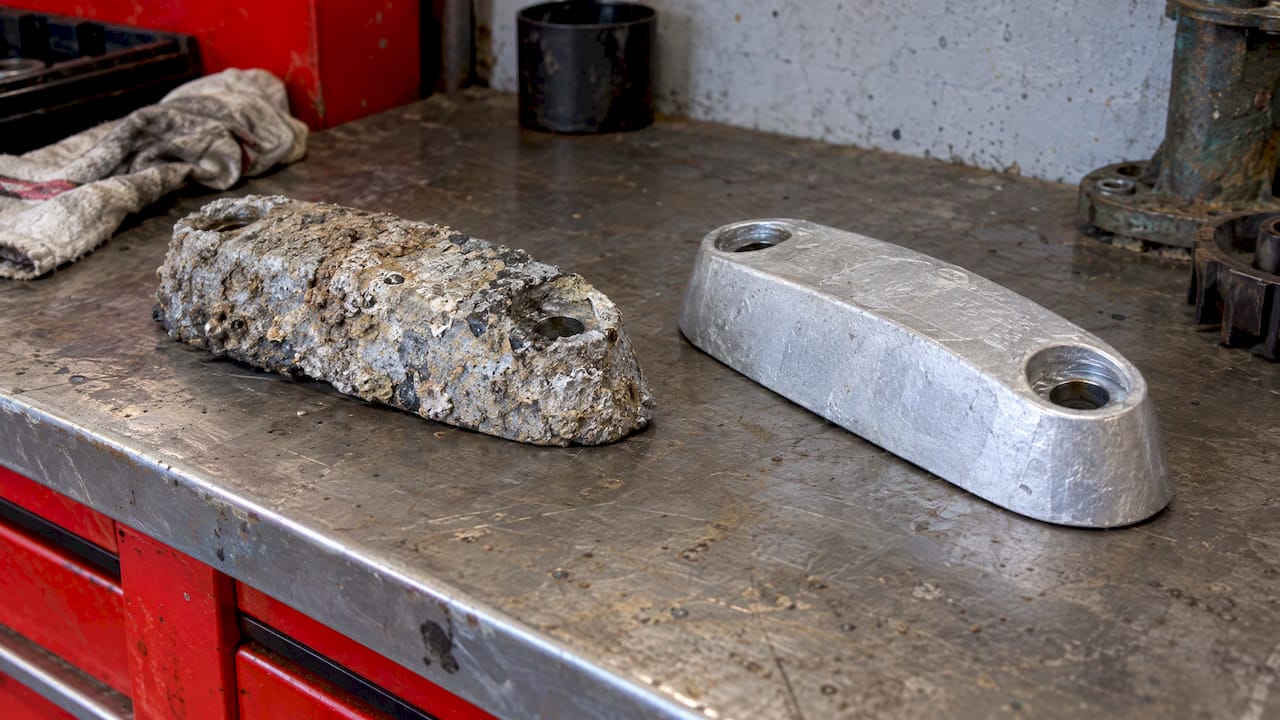
Posted on

Yanmar Parts Sourcing: How Professionals Get the Right Part

Parts specialist checking an engine replacement component

Good Yanmar parts sourcing comes down to three things: identifying the exact engine, verifying the part number against the manufacturer’s data, and buying from a supplier that keeps the part in stock and knows your application. Get those right and a repair takes a day. Get one wrong and a machine sits idle while a wrong part travels back. At Iberspares we supply parts for Yanmar and Sensei engines and equipment across construction, agriculture, marine, power generation, material handling and compact equipment, so this guide follows the routine we would want every buyer to use.

Iberspares
iberspares.com
Find the Right Yanmar Part
Iberspares supplies Yanmar and Sensei parts, with application-specific knowledge for sourcing components across construction, agriculture, marine, and power generation.

Visit

TL;DR

  • Start with the complete engine model and the serial number. Both are needed to pin down the right part, and the model alone is not enough.
  • Write the part name and part number on every order, and check them against the parts catalog or manual for that exact engine.
  • Genuine-spec parts matter for emissions compliance and warranty. Check what your engine’s after-treatment and warranty terms require before you choose a grade.
  • Plan the stock: keep routine service items on the shelf and know your supplier’s lead time for the rest.
  • Choose a supplier by application knowledge, inventory depth and how quickly it can confirm a match, not by catalog size alone.

Table of Contents

Why sourcing Yanmar parts takes more care than it looks

Yanmar engines turn up in a very wide range of machines: compact excavators, tractors, forklifts, workboats, auxiliary generators, standby power sets. The same engine family can be fitted with different injection pumps, cooling arrangements, mounting brackets and emissions hardware depending on the machine and the year it was built. A part that fits one version of an engine can be wrong for the next.

There is also a boundary to know about. Yanmar’s US support FAQ states that engines powering products from several other equipment makers, including John Deere, Komatsu, Thermo King, Ingersoll-Rand, NACCO (Hyster/Yale), Volvo and Isuzu, are not supported by the Yanmar service network and must be supported through that equipment maker’s own network. So the first question for a multi-brand workshop is simple: is this a Yanmar-supported engine, and which machine is it actually installed in?

For a buyer, the cost of a mistake is rarely the price of the part. It is the freight, the second teardown, the rental unit on site and the crew waiting. That is why the routine below is built around avoiding errors, not only finding the lowest price.

The single most useful piece of data is on the engine itself. Yanmar’s US FAQ says that identifying a part requires the complete model number and the serial number. Yanmar Europe’s marine parts page makes the same point: giving a Yanmar partner the engine’s model and serial number is enough for them to identify the exact part.

A practical capture routine for every machine in your fleet or customer base:

  1. Photograph the engine identification plate once, clean and in focus, and file it with the asset record. Plates get painted over, oiled and worn, and the best moment to read one is not during a breakdown.
  2. Record the complete model designation exactly as printed, including every suffix. Suffixes often separate variants with different parts.
  3. Record the serial number in full.
  4. Record the machine details too: make, model, year, hours and application (for example generator set, skid steer, workboat). Application matters because the same engine family is configured differently for each.
  5. Note what you already know about the failed part: its location, its condition and any numbers cast or stamped on it.

At this stage you can work alone, and you should. Where our experience helps is the next one: when the plate is unreadable or the machine’s paperwork is missing, application knowledge narrows the candidates quickly, which is the reason we organize our catalog around application sectors and not only by part number.

Step 2: Verify the part number against the catalog

Identification gives you the engine. Verification gives you the part. Yanmar’s own parts catalogs are explicit about it: the catalog for the 3TNV76 engine tells buyers to write the engine model and serial number, plus the name and number of each part, on the order sheet to ensure reliable delivery. Treat that as a minimum standard for every order you place, whatever the supplier.

A clean order line contains:

Field Why it matters
Engine model (complete) Separates variants within one engine family
Serial number Catches mid-production changes
Part name Human check against the exploded drawing
Part number The actual match key
Quantity Kits and sets are often counted differently from single items
Application Gives context if a supersession or alternative is involved

Three habits prevent most mix-ups:

  • Check the exploded drawing, not only the number. A number typed from a photo can be off by one digit. If the drawing shows a different shape from the part in your hand, stop.
  • Look for supersessions. Older part numbers are often replaced by newer ones. A supplier that knows the engine can tell you whether the number you hold is current.
  • Compare physically on arrival. Match the new part to the old one before the machine is opened further: mounting points, port positions, thread, length.

Yanmar also offers tools on the manufacturer side: its industrial engine support pages describe a worldwide dealer search with the latest engine manuals, a 3D engine model tool and a diagnostic trouble code search app for on-site service. Manuals and fault codes help you decide what to replace. Matching and supplying the part is the step where a supplier with strong application knowledge saves you hours, and it is the step we handle at Iberspares when you send us the engine model, serial number and part details.

Step 3: Choose the part grade with emissions and warranty in mind

Sourcing is not only a question of finding a number. It is also a question of what quality of part goes into the engine. Yanmar’s global parts page says that non-genuine parts can show inconsistent surface hardness and casting cavities, and that not using genuine parts may prevent an engine from meeting emission regulations and leave the product outside warranty cover.

The same page explains why this matters most on modern engines. Genuine components are designed to match systems such as common-rail fuel injection, EGR (exhaust gas recirculation) and DPF (diesel particulate filter) after-treatment, and, since 2020, stricter SOx rules for ships worldwide have led Yanmar to redevelop fuel system components for compliant fuel. If you service newer machines, the injection system, filters and after-treatment items are where a mismatch is most costly.

A useful way to decide grade by component:

  • Fuel, injection and emissions components: use genuine-spec parts, particularly on engines under warranty or subject to emissions rules.
  • Wear and consumable items (filters, belts, impellers, gaskets, seals): the right part number and good quality matter more than anything else. Keep these in stock.
  • Structural and undercarriage items on construction and agricultural machines: hardness and casting quality drive service life. Yanmar notes consistent surface hardness as a feature of genuine undercarriage parts.

We supply parts for Yanmar and Sensei engines and equipment, and the point of our application-focused approach is that you receive the part specified for your machine, not a near match.

Step 4: Pick the supplier on criteria that reduce downtime

Buyers often run through a list of suppliers for each job. A more efficient method is to settle on one or two suppliers using the criteria that actually affect your uptime.

Application knowledge. Can the supplier talk about your engine in the context of your machine, whether it is a compact excavator, a marine auxiliary or a standby generator? Questions about variants and supersessions should get quick, specific answers.

In-stock inventory. A supplier that holds stock can dispatch on the day you order. One that sources each part on request adds days. Our positioning is built on extensive in-stock inventory for rapid dispatch.

Identification accuracy. The fastest order is the one you never have to return. We aim to identify the correct part efficiently to minimize errors and delays.

Range across your fleet. Mixed fleets are the norm. A supplier that covers Yanmar and Sensei across construction, agriculture, marine, power, material handling and compact equipment lets you consolidate orders and paperwork.

Documentation. Clear part descriptions and numbers that you can check against the manufacturer’s catalog.

Emergency capability. Ask how a rush order works before you need one, and keep the contact details with your asset records.

One structural point: Yanmar says it does not sell service parts directly to consumers and offers a warranty on service parts through dealers, as stated in its US parts FAQ. For professional buyers who need dependable supply and fast dispatch, a specialist distributor that holds stock and knows the applications is the practical route, and that is the role Iberspares plays.

Sourcing for marine operators and shipyards

Marine engines add two complications: corrosion and access. Raw-water pump impellers, heat exchangers, zincs and belts are routine consumables, but the part that fits one installation may differ from the next because of the cooling arrangement and the gearbox it is paired with. Capture the engine and gearbox plates together.

Engine and gearbox plates in a workboat

Marinas, shipyards and commercial fishing fleets should also think in seasons. Spring commissioning and end-of-season layup both create peaks, and a stocked service kit per engine avoids the situation where a boat misses the first weeks of the season for a thirty-dollar part. For readers looking for marine parts and service information in other markets, the marine industry solutions page of a Mexican machinery group shows how local parts and technical support are organized in that region.

Sourcing for generators and standby power

Standby and prime power sets reward planning more than any other application, because a generator that is needed is usually needed immediately. Fault codes, abnormal sounds and a failed start under load are the symptoms, and by then the supply chain is the constraint.

A sensible approach for generator maintenance companies and emergency power providers:

  1. Use the engine manufacturer’s service manual for the interval list. Intervals depend on hours run and on calendar time, and standby sets that run little still age.
  2. Build a standard service kit per engine model: oil filter, fuel filters, air filter, belts and the seals or gaskets the manual calls for at that interval.
  3. Keep a short list of failure-prone items for sets in critical sites: belts, hoses, coolant and fuel components.
  4. Reorder when you open a kit, not when you find it empty.
  5. Log each replacement against the unit’s serial number, so the next sourcing request starts with complete data.

This turns generator maintenance parts sourcing into a routine order and not an emergency.

Sourcing for construction, agriculture and material handling

In construction and agriculture the pressure comes from the season or the project. A compact excavator that stops mid-job or a tractor that fails in harvest costs far more in lost work than in repair parts. Rental companies and dealers have the same exposure across many units.

What helps here:

  • A parts list per machine model, with filters and belts pre-identified by number.
  • Stock levels tied to fleet size: the more units of one engine family you run, the more a shelf of common service items pays back.
  • A single supplier that can cover the engine and the equipment side, since a machine usually needs both.
  • Forklift workshops and in-house logistics maintenance teams can apply the same logic to their truck fleets, with serial-number records per truck.

Iberspares covers construction and industry, agriculture, material handling and compact equipment, so a mixed fleet can be ordered through one catalog.

Planning stock to avoid emergencies

Manufacturers plan inventory in much the same way you should. Yanmar describes its GSSC system as matching worldwide repair-parts inventory with demand information and forecasts to shorten delivery times and respond to peak seasons and emergencies. Its network page reports stock of tens of thousands of items per region, for example 43,200 items in the Americas as of 2020. The lesson for a workshop is to do the same at your scale: forecast from fleet data, stock the predictable, and know the lead time for the rest.

A simple three-tier model:

Tier Examples Policy
A: routine Filters, belts, impellers, seals Hold stock, reorder at a minimum level
B: likely Injectors, pumps, sensors, hoses Hold for critical or high-hour machines
C: major Heads, blocks, turbochargers, transmissions Order on diagnosis, know supplier lead time

Review the tiers once a year against what you actually used. Parts you replaced twice move up a tier. Parts that sat for three years move down.

Perspective

Most delays we see in parts sourcing do not come from a part being unavailable. They come from an order that started with incomplete information: a model number with no serial, a part number copied from an old invoice, a machine described by its brand and not by its engine.

That is why we built Iberspares around application knowledge. Our approach is to know how Yanmar and Sensei engines are used in construction, agriculture, marine and power generation, so that we can identify the correct part efficiently, with fewer errors and less waiting. We keep extensive stock for rapid dispatch because a correct part that arrives late still leaves the machine idle.

Our advice to every workshop is the same: record the engine plate, order by number and name, and keep your routine items on the shelf. When something has to be fixed today, send us the model and serial and we will work from there.

Duarte

Order Yanmar and Sensei parts from Iberspares

If you run a workshop, a fleet or a marina and need Yanmar or Sensei parts for construction and industry, agriculture, marine, power and generators, material handling or compact equipment, our catalog is organized by those sectors. Have the engine model, serial number and part details ready, and you can order routine and urgent parts online at Iberspares.

Iberspares

For a wider view of the ranges, the Yanmar and Sensei parts categories are all on the main site.

FAQ

What information do I need to find the right Yanmar part?

You need the complete engine model and the serial number, as Yanmar’s own support FAQ states. Add the part name and part number if you have them, and the machine and application the engine sits in. With these, the match can be confirmed before you order.

Where do I find replacement Yanmar parts for an older engine?

Start with the identification plate to get the model and serial number, then check the part number against the engine’s parts catalog. Older numbers are sometimes superseded, so ask your supplier to confirm the current number. We can help identify the part from the engine details.

Are genuine-spec parts necessary for every repair?

For injection, fuel and emissions components, they are the safest choice, since Yanmar states that not using genuine parts may prevent meeting emission regulations and affect warranty cover. For routine consumables, the priority is the exact correct part number and consistent quality.

Which generator parts should I keep in stock?

Keep a service kit per engine model: oil, fuel and air filters, belts and the seals the manual calls for. Add hoses and fuel components for critical sites. Take the intervals from the manufacturer’s service manual for your set, and reorder when you open a kit.

How do I reduce downtime when a machine fails?

Have the engine model and serial number on record before the failure, stock the routine items, and use a supplier that holds inventory for fast dispatch. Planning for peak seasons, as manufacturers do with their own inventory, prevents most urgent orders.

Sources

Content strategy and optimisation for Google and AI-powered search platforms by Velveteen SaaS — specialists in online visibility and customer acquisition.
Posted on

Diesel Engine Misfire: Causes, Diagnosis and Fixes

Technician checks a diesel engine under load

A diesel engine misfire means one or more cylinders are not burning their fuel properly. The cause almost always sits in one of four places: fuel delivery, the injector, the air supply or the cylinder’s compression. The fastest repair is a confirmed diagnosis before any part is replaced. First find out whether one cylinder or all of them are affected, then test that system with a measurement instead of a guess. Once the faulty component is confirmed, you need the exact replacement for your engine model, so the part number and application matter as much as the diagnosis.

Iberspares
iberspares.com
Find the Right Engine Part
Once testing confirms the cause, Iberspares helps you source application-specific Yanmar and Sensei parts for engines and equipment.

Visit

TL;DR

  • A misfire shows up as rough idle, shaking, hesitation, power loss, an uneven exhaust beat or new smoke. It is a symptom, not a diagnosis.
  • Stop the engine for a flashing warning light, violent shaking, loud knocking, overheating or a strong raw fuel smell.
  • Work from the cheapest, fastest checks (fuel supply, filters, air intake, codes) toward the invasive ones (injector tests, compression, valve and timing checks).
  • Single-cylinder misfires point to that cylinder’s injector or compression. Every-cylinder roughness points to fuel supply, air or sensors.
  • Replace only what a test has confirmed, and order by engine model and serial number so the part fits the first time.

Table of Contents

What a diesel misfire is and how it shows up

In a diesel, air is compressed until it is hot enough to ignite the fuel the injector sprays in. A misfire happens when that burn is late, partial or missing in a cylinder. The engine loses the push from that cylinder and the others have to compensate, which is why you feel it.

The usual signs on construction machines, tractors, generators, forklifts and marine engines:

  • Rough or shaking idle, with the operator’s seat or the generator frame vibrating more than normal.
  • An uneven exhaust note, a stumble or chug under light throttle.
  • Loss of power under load, slow response, or hard starting.
  • Knocking or clattering from the affected cylinder.
  • Smoke: white or gray from unburned fuel, black from too much fuel for the available air, blue from oil burning.

Smoke color is a clue about the combustion problem, not proof of which part has failed. Black smoke can come from injection quantity, spray quality, restricted intake, boost or EGR trouble, so treat it as a direction to test, not a verdict.

Symptoms that appear only in certain conditions matter too. Caterpillar’s own troubleshooting guide for its C-10 to C-16 industrial engines says that when a misfire shows up only at certain operating conditions, such as high idle, full load or a certain temperature, the engine has to be tested under those conditions or the results can mislead you. A generator that runs fine unloaded and stumbles at 70% load needs to be tested at 70% load.

When to stop the engine

Some misfires can wait until the end of the shift. Others cannot. Shut the engine down and do not restart it until it is inspected if you see any of these:

  • A flashing or rapidly blinking warning light, or repeated fault codes that return immediately.
  • Violent shaking that gets worse quickly.
  • Loud knocking or harsh mechanical noise.
  • A strong raw fuel smell or visible fuel leaks.
  • Overheating along with the misfire.

Raw fuel in the exhaust and a cylinder that is not burning properly can wash oil from the cylinder wall and overload the aftertreatment on engines that have it. A leak in a high-pressure fuel line is a safety hazard. Never loosen injector lines on a running or recently running common-rail engine. Fuel injected into skin under that pressure is a serious injury and needs immediate medical attention.

For a steady, non-flashing light with mild roughness, the practical approach is to reduce load, avoid hard acceleration and get the machine to a place where it can be diagnosed properly. On a vessel, apply the same logic with the sea state and your position in mind: a misfiring main engine at idle in a marina is a repair job, the same engine under load offshore is a reliability risk.

The most common causes, by system

Most misfires fall into five groups. Knowing the group tells you which test to run first.

Fuel supply

If every cylinder is affected, or the roughness comes and goes with load, start here. Clogged fuel filters, a weak lift or transfer pump, air leaking into the suction side, water in the fuel and cold, thick fuel all starve injectors. Cold-only misfires often involve glow plug performance, injector spray pattern, compression or fuel that is struggling to flow in the cold.

Fuel quality problems are common on machines that sit between seasons: standby generators, irrigation engines, boats laid up for winter and rental fleet units. Old fuel, condensation and microbial growth in the tank all show up as roughness once the machine is worked again.

Injectors

An injector can stick, leak internally, deliver too much or too little fuel, spray a poor pattern or have an electrical fault on engines with electronic injection. Worn needle valves, scored internal surfaces and damaged seals mean the injector needs component replacement, not cleaning. A leaking injector also hurts efficiency: one repair shop’s diagnostic guide puts the extra fuel consumption at 5 to 10%, with faster soot loading on engines with a particulate filter.

Diesel injector secured in a calibration test bench

Air intake and exhaust

A restricted air filter, a leaking intake hose or charge-air connection, a failing turbocharger or a blocked exhaust all change the air-to-fuel ratio. The same guide says radial turbo shaft play over 0.5 mm often calls for an overhaul. If the roughness comes with black smoke and weak power under load, check intake restriction and boost leaks before you condemn injectors.

Compression and mechanical condition

When cylinder compression falls below specification, the air does not get hot enough to ignite the fuel completely. Worn piston rings, cylinder wear, burned or leaking valves, a damaged piston or a head gasket problem can all cause it. This is a persistent single-cylinder miss that does not improve when you replace the injector. It is more likely after overheating, heavy overload or long periods of severe duty.

Timing and electrical control

Late injection timing gives incomplete combustion, white smoke and rough running that mimics a misfire. On electronically controlled engines, damaged connectors, sensor faults, a throttle signal problem or wrong programmable parameters can do the same. Caterpillar’s guide lists diagnostic codes, programmable parameters, electrical connectors, cold mode, throttle signal, unit injectors, fuel supply and the air inlet and exhaust system among the probable causes. Read the codes and check the harness and connectors before you open the fuel system.

How to diagnose a misfire step by step

The goal is to move from the broad question (which system?) to the narrow one (which part?) with measurements. Replacing injectors because the engine runs rough can fix the problem, but it can also leave you with a large bill and the same misfire.

  1. Write down the conditions. Note when it happens: cold start, idle, light throttle, full load, one speed range only. Note smoke color, any recent fuel fill, filter changes, overheating or repairs. Recordings of the sound help document the complaint, but they cannot identify a failed part.
  2. Read codes and live data. On electronic engines, pull stored and active codes and look at the data that matters: rail pressure, injector corrections, coolant temperature, boost, throttle signal.
  3. Decide: one cylinder or all of them? A single-cylinder pattern points to that injector, its wiring or the cylinder’s compression. An all-cylinder pattern points to fuel supply, air, sensors or control settings.
  4. Check the cheap basics. Fuel level and quality, water in the fuel, primary and secondary filters, air leaks on the suction side, air filter restriction, intake and charge-air connections, exhaust restriction, battery and glow plug function on cold starts.
  5. Test the injectors. Use the cylinder cut-out or balance test and the return-flow test (details below).
  6. Test the cylinder. If the injector is healthy, run a compression test and, when needed, a leak-down test or a borescope look at the liner.
  7. Check valves and timing. Valve clearance, injection timing or pump timing, and any mechanical wear the compression result points to.
  8. Repair, then retest. Replace the confirmed part, clear codes, and repeat the test conditions that showed the fault in step 1.

Tests that confirm the cause

The numbers below come from published diagnostic guides. Always compare them against your engine manufacturer’s service manual, because specifications differ by engine and by injection system.

Test What you do What it tells you
Injector cut-out or balance Disable one injector at a time at idle and watch the RPM A healthy cylinder causes a noticeable RPM drop when disabled. Little or no change means that cylinder was not contributing.
Injector return (leak-off) flow Collect the return fuel from each injector during a 30-second idle test Most engines should return less than 20 to 30 ml per injector. An injector returning 2 to 3 times its siblings’ volume has failed.
Compression test Crank the engine and read each cylinder Diesel cranking pressures typically run 300 to 500 psi. A cylinder well below its siblings or the spec points to rings, valves or the head gasket.
Borescope inspection Look into the cylinder with a camera Shows liner scoring and combustion-chamber condition.
Turbo shaft play Measure radial movement Over 0.5 mm often means overhaul.
Rail pressure observation Watch pressure behavior in live data Common-rail systems run between 20,000 and 26,000 psi at idle, so a pressure that is unstable or low points to the supply side.

The return-flow, cut-out and rail pressure figures come from Heavy Duty Journal’s injector failure guide. The compression, turbo and fuel-consumption figures come from ASAP Diesel Repair’s tractor diagnostics guide. Use them as a reference range, not as a replacement for your engine’s own specification.

One caution applies to every injector test on high-pressure systems: the work is done with the system depressurized by a qualified technician, with eye protection and with the manufacturer’s procedure in hand.

What a misfire repair costs

Cost depends on what the tests find. As a US reference point, the same Heavy Duty Journal guide, last updated in December 2025, gives professional injector cleaning at roughly $75 to $150 per injector. It puts complete injector replacement jobs, with all components considered, at $3,000 to $8,000. Those figures describe pickup and light truck-size common-rail systems, so larger industrial, marine and generator engines vary with injector count, labor access and the parts each engine needs.

Three things drive the bill on any machine:

  • How many cylinders are involved. One failed injector is a smaller job than a fuel system contaminated by water or debris, which can damage all of them.
  • Cleaning or replacing. Worn needle valves, scored surfaces and damaged seals cannot be cleaned back to spec.
  • Downtime. For a generator on standby, a crane on a job site or a boat in the fishing season, the hours the machine is out of service often cost more than the part. This is why the first thing to settle is the diagnosis and the second is how quickly the right part reaches you.

Preventing the next misfire

Most repeat misfires come back to maintenance gaps:

  • Change fuel filters on schedule and drain water separators regularly.
  • Use clean fuel and keep tanks full on equipment that sits idle, to limit condensation.
  • Replace air filters before restriction becomes a problem and keep intake connections tight.
  • Don’t ignore small symptoms. A slight roughness at idle often precedes a bigger failure under load.
  • Keep a record of codes, hours and repairs per machine so patterns show up early.

Fleet operators and workshops benefit from keeping the common service items (filters, seals, injectors for the engines they run most) on hand, so a confirmed diagnosis becomes a same-day repair.

The view from our side of the parts counter

Most misfire calls we hear about start with the same sentence: the engine runs rough, so replace the injectors. Sometimes that is right. Often the real cause is a filter, an air leak or a worn cylinder, and the injectors get swapped first because they are the easiest suspect.

Our approach to parts is built around application knowledge. Yanmar and Sensei engines turn up in construction, agriculture, marine, power generation, material handling and compact equipment, and the same engine family can be fitted with different components depending on the machine it powers. Getting the right part means starting from the engine model and the application, not from a guess at a symptom.

That is where we aim to save you time. Our team identifies the correct component to minimize errors and delays, and we keep extensive stock ready for rapid dispatch. A confirmed diagnosis and the right part in the same week is what keeps downtime short.

Duarte

Getting the right part once the cause is confirmed

Once your tests point to an injector, a filter, a seal or another wear item on a Yanmar or Sensei engine, Iberspares supplies engine and equipment parts for these brands across construction and industry, agriculture, marine, power and generators, material handling and compact equipment. Our team has deep technical knowledge of Yanmar and Sensei applications, so you can find the part that matches your engine and your machine, and we hold extensive inventory for rapid dispatch, for routine maintenance and for emergency repairs.

Iberspares

Have the engine model, serial number and the machine it powers ready when you order. Browse the Yanmar and Sensei parts catalog to start from your application.

FAQ

Why is my diesel engine running rough at idle?

The usual causes are a restricted or contaminated fuel supply, a weak or leaking injector, an air intake leak, or low compression in one cylinder. Check the fuel filters, air filter and intake connections first, then read codes and test the injectors. If the roughness smooths out under load, injector or fuel supply problems are more likely than a mechanical fault.

Can I keep running a misfiring diesel engine?

Only if the symptoms are mild and the warning light is steady. Reduce load, avoid hard acceleration and get it diagnosed promptly. Stop immediately for a flashing warning light, heavy shaking, loud knocking, overheating or a strong fuel smell, because continued running can turn a small repair into major engine damage.

Is a diesel misfire expensive to fix?

It depends entirely on the cause. A filter or an air leak is inexpensive, while injector replacement can reach thousands of dollars. Published US figures put injector cleaning at $75 to $150 each and full replacement jobs at $3,000 to $8,000. A confirmed diagnosis is the best way to avoid paying for parts you did not need.

How do I tell an injector problem from a compression problem?

Run the injector cut-out or return-flow test first. If the injector shows normal behavior and the cylinder still does not contribute, run a compression test. A cylinder with low cranking pressure compared to its siblings points to rings, valves or the head gasket, and a new injector will not cure it.

Why does my diesel only misfire when cold?

Cold-only misfires often involve glow plug performance, injector spray pattern, poor compression or thick fuel that flows slowly. Test the glow plugs and fuel supply first, then check injector spray and compression if the problem persists.

Sources

Content strategy and optimisation for Google and AI-powered search platforms by Velveteen SaaS — specialists in online visibility and customer acquisition.
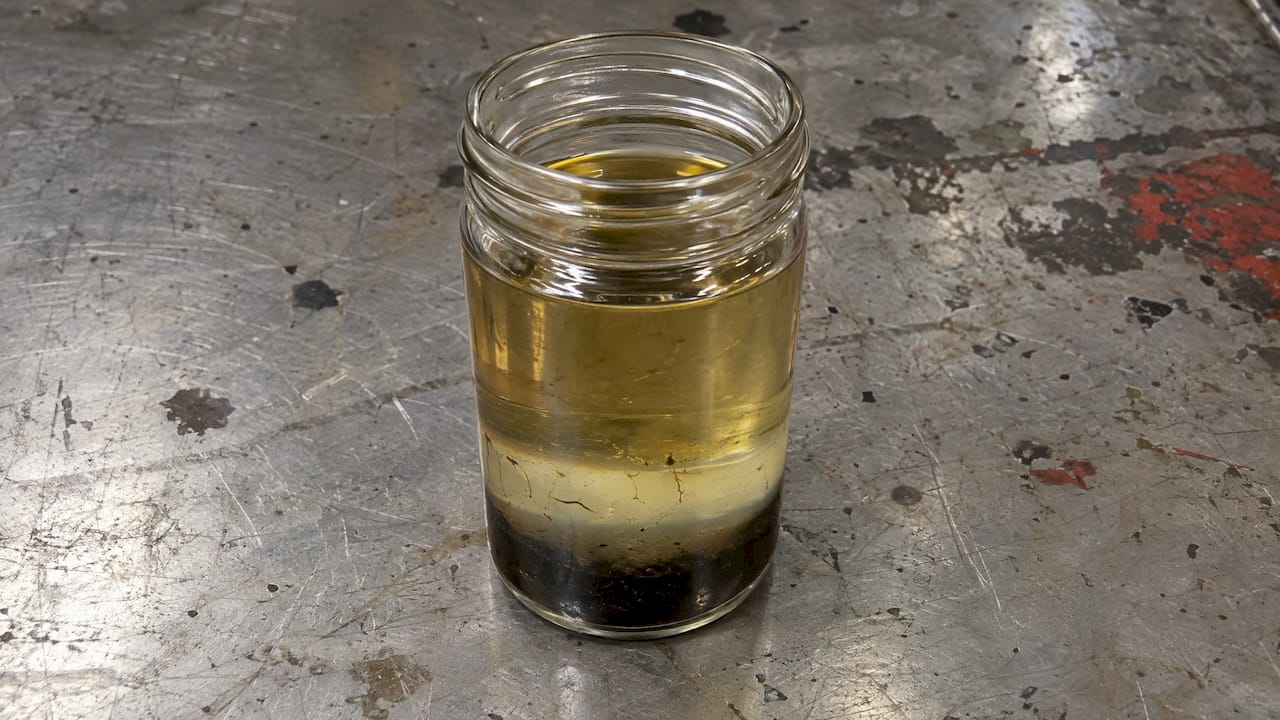
Posted on

Engine Cooling System Components: Parts, Functions, Failures

Diesel engine cooling system in workshop

A liquid-cooled diesel engine depends on a short list of parts: radiator or heat exchanger, water pump, thermostat, hoses, fan, pressure cap, expansion tank and the coolant itself. When one fails, the engine overheats, and in a workshop, on a job site or on a boat that means downtime. The fastest way to get the machine back is to name the failed component, then order the exact part for that engine and application. We supply Yanmar and Sensei parts, and the sections below are written for the people who keep those engines running.

Iberspares
Source Parts for Reliable Engines
Find the right Yanmar and Sensei parts for your engine and application to help keep equipment running smoothly.

TL;DR

  • A basic liquid-cooled system has a radiator, pump, hoses, fan and shroud, thermostat, and coolant passages in the block and head, according to U.S. Navy training material.
  • Marine engines usually swap the radiator for a heat exchanger and a raw-water circuit, which adds an impeller pump and exhaust parts that corrode.
  • Coolant that “disappears” is often leaving through a small external leak that evaporates, a cap that vents, or an internal leak. It is rarely a mystery.
  • Never open a hot cap. Stop the engine if you see steam or a leak.
  • Order by engine model and application, not by how a part looks. That is where wrong-part delays start.

Table of Contents

What the cooling system does

Liquid cooling removes unwanted heat, regulates engine temperature and helps the engine warm quickly after starting, as the U.S. Navy publication on engine cooling systems puts it. A diesel under load throws off a lot of heat. Coolant picks it up inside the block and head, then carries it to a place where it can be released: a radiator in air, or a heat exchanger in water.

Two ideas explain most failures:

  1. Heat has to be moved and then rejected. Pump, passages and hoses move it. The radiator or exchanger rejects it. A fault in either half overheats the engine.
  2. The thermostat sets the temperature. Caltech’s explanation of thermostats and coolant flow says the thermostat isolates the radiator during warm-up, then adjusts flow through it to stabilize temperature.

The same Caltech piece makes a point worth remembering at the workshop bench. More coolant flow does not fix poor radiator airflow. If air is not moving through the core, a faster pump only moves more heat into coolant that cannot shed it. A blocked core, a damaged fan or a missing shroud will not be cured by a new pump.

The main components, what each does and how it fails

Component Job Typical failure signs
Radiator Passes heat from coolant to air Overheating under load, external seepage, clogged fins or core
Water pump Circulates coolant through block, head and radiator Seal leak, noisy or loose bearing, poor circulation
Thermostat Holds temperature during warm-up, opens to allow radiator flow Slow warm-up (stuck open) or overheating (stuck closed)
Hoses and clamps Carry coolant between engine and radiator Splits, soft or swollen sections, weeping at clamps
Fan, shroud, belt Pull air through the core Overheating at idle or low speed, damaged blades, slipping belt
Pressure cap Holds system pressure and vents excess Coolant pushed into the overflow, boiling at lower temperature
Expansion or reserve tank Takes coolant expansion and holds reserve Cracked seams, falling level
Coolant Carries heat, resists freezing and corrosion Old, contaminated or diluted fluid
Heat exchanger (marine) Seawater cools engine coolant Blocked tube stack, corroded face

Radiator

The radiator is a core of tubes and fins. Dirt, chaff and debris on the outside and scale on the inside both cut its ability to reject heat. On farm and construction machines the outside is the usual culprit. On older units with contaminated coolant, internal corrosion adds to it.

Water pump

The pump drives circulation. Its seal needs coolant for lubrication, so a trace of seepage at the weep hole can be partly normal, according to MOTOR’s guide to servicing cooling systems. A steady drip, a wobbling pulley or coolant tracks down the front cover mean the pump is due.

Thermostat

A thermostat stuck closed overheats an engine quickly. One stuck open keeps it running cold, hurting warm-up and efficiency. It is a low-cost part that is worth replacing whenever the pump or radiator is changed, since the system is already drained.

Hoses, clamps and pressure cap

Hoses fail from the inside out. Squeeze them cold: a spongy or crunchy hose is finished. The cap matters more than its size suggests. A faulty header-tank or radiator cap is one of the causes Haynes lists for falling coolant levels, because a cap that vents early lets coolant out as vapor or into the overflow.

Fan, shroud and belt

On generators, compressors and compact equipment, the fan often sits inside an enclosure. A cracked shroud lets air short-circuit around the core, and the engine overheats at idle or in slow work even though every part “looks fine.” Check belt tension and blade condition together.

Marine cooling: the heat exchanger and raw-water circuit

Most marine diesels do not use a radiator. In indirect cooling, raw seawater flows only through bronze tubes in a heat exchanger, while a separate freshwater pump circulates inhibited coolant through the block, as Practical Boat Owner describes. That gives marine operators extra parts to watch:

  • Raw-water pump and impeller. A rubber impeller wears and loses vanes. When flow drops, the engine overheats.
  • Heat exchanger tube stack. The same Practical Boat Owner article names blocking by weed or salt and scale as a common failure.
  • Exhaust elbow, manifold and riser. Where seawater meets mixed metals, galvanic corrosion can eat the exchanger face away. Power & Motoryacht reports that corroded manifolds can clog with rust and scale, restrict cooling-water flow and overheat the engine under load.
  • Seawater strainer and hoses. Anything that restricts intake flow looks like a failed pump.

Salt behaves differently from freshwater. mtu’s cooling specialist notes in a piece on marine cooling that salts form deposits above 48°C, which is why parts in seawater contact are made of highly resistant bronze. Keep that temperature in mind when you decide how hot a raw-water circuit can safely run.

Preventive work pays off here. Power & Motoryacht advises flushing raw-water plumbing at least once per season, using a descaling solution rather than water alone, and servicing manifolds and risers before they fail, since waiting can lead to severe engine damage.

Workboat heat exchanger and raw-water plumbing

Air-cooled engines

Some small engines have no coolant at all. The engine cooling overview on Wikipedia notes that air-cooled designs are simple, need no coolant service and do not suffer freeze damage, while liquid-cooled engines hold more stable, uniform temperatures. For air-cooled engines the “components” are fins, shrouds, fan and ducting, and the main maintenance is keeping them clean and intact.

Why coolant seems to disappear

Coolant loss with no puddle is a common call. The causes fall into three groups.

After service

Levels can drop after a refill as air locks clear. Top up once the engine has run and cooled, then recheck. If it keeps falling, move on.

External leaks that evaporate

On a hot engine, small leaks often vaporize before they drip. The common places:

  • Radiator tank seams and tank gaskets. MOTOR says a tank gasket is a more likely leak source than a corrosion-perforated tube, unless the coolant is old and contaminated.
  • The thermoplastic reservoir seam, a frequently missed leak where coolant can evaporate before it hits the ground, according to the same MOTOR article.
  • Hoses with small splits, clamps, the pump seal and its gasket, and heater-matrix connections (Haynes).
  • The cap and overflow. MOTOR reports that hot, tightly packed engine bays can evaporate coolant from the overflow vent. A cap that opens below its rated pressure should be replaced. One diagnostic guide gives the example of a 10 PSI release on a 15 PSI cap and puts replacement caps at $15 to $40.

Look for white or colored crust, wet undertrays and damp spots on hot surfaces. A flashlight and a cold engine find more than guessing does.

Internal leaks

If nothing is visible outside, coolant may be entering the engine. Possible sources include a head gasket or an internally leaking EGR cooler. Coolant loss alone does not prove a blown head gasket, and a UK automotive guide cautions that a major internal repair should rest on test evidence. Two tests are commonly used. A cylinder leak-down test showing more than 10 to 15% loss, with bubbles in the reservoir, points to combustion gas reaching the coolant. A chemical block test that turns from blue to green or yellow confirms exhaust gases in the coolant (source). Confirm before you order a gasket set.

Internal leaks

Safe checks when the system misbehaves

Stop the engine if coolant is leaking or steam is present, and never remove the cap or reservoir lid while the engine is hot, because coolant can blow out and cause serious burns. That is the guidance in Kia’s owner-manual overheating instructions, and it applies equally to a loader, a tractor or a generator set. Let the engine cool fully, and treat used coolant as hazardous: it is toxic and should go to a proper disposal point.

A workable order of checks on a cold engine:

  1. Coolant level and condition: color, oil film, rust or debris.
  2. Outside of radiator or exchanger: blocked fins, damaged core, crust at seams.
  3. Belt, fan and shroud.
  4. Hoses, clamps, cap and reservoir seams.
  5. Pump seal and weep hole.
  6. On marine engines: strainer, impeller, exhaust elbow and heat exchanger.
  7. Pressure test or combustion-gas test if the cause is still unclear.

Work down the list and stop at the first confirmed fault. Replacing several parts on a hunch costs more than a clean diagnosis.

Maintenance that prevents failure

  • Replace coolant on schedule. Old, contaminated coolant corrodes tubes and gaskets from within.
  • Keep the outside clean. Blow out cores after dusty work. Debris is a leading cause of heat problems on agricultural and construction machines.
  • Replace wear parts as a set. Pump, thermostat, belt and hoses share the same drain-down.
  • Test the cap. It is cheap and often forgotten.
  • Flush raw-water circuits each season and descale, as described above.
  • Keep spares on the shelf for the parts that fail first on your fleet: impellers, thermostats, gaskets, caps, belts.

That last point separates a one-hour fix from a week of waiting. Rental fleets, fishing boats and standby generators have no slack for a part in transit.

Ordering the right cooling parts

Cooling parts look alike across models and differ in the details: pump flange, thermostat opening temperature, hose bend, cap rating, impeller vane count. The costly mistake is a part that nearly fits. Before ordering, gather:

  • Engine make, model and serial number from the data plate.
  • The machine or application: excavator, tractor, genset, auxiliary or main marine engine.
  • Part numbers cast or stamped on the old component.
  • A photo of the failed part and of its mounting.

With those in hand, matching the part to the engine takes minutes rather than a round of returns.

Perspective

Cooling failures are rarely about the part that finally breaks. A worn impeller, a tired cap or a clogged core is usually the last link in a chain that began with an overdue service.

What we see across Yanmar and Sensei engines is that the application changes the answer. A compact excavator working in dust, a generator running in an enclosure and a sailboat auxiliary in warm seawater all stress the same system in different ways, so the right part depends on the engine and where it works.

That is why we focus on application-specific knowledge and on identifying the correct part the first time, with extensive stock ready for quick dispatch. For a workshop or fleet manager, a correct part in hand is the difference between a short stop and a long one.

Duarte

Where to find Yanmar and Sensei cooling parts

Iberspares sells spare parts for Yanmar and Sensei engines and equipment across construction and industry, agriculture, marine, power and generators, material handling and compact equipment. Our approach rests on knowing how each application uses the engine, so we can identify the right component and keep stock ready for rapid dispatch. Workshops and fleet buyers can order online, for routine maintenance and for urgent repairs alike.

Iberspares

Browse the range at Iberspares Yanmar and Sensei parts and have your engine model and serial number ready.

FAQ

What are the main parts of an engine cooling system?

A basic liquid-cooled system has a radiator, water pump, hoses, fan and shroud, thermostat, and coolant passages in the block and head. Most also have a pressure cap and an expansion tank. Marine engines replace the radiator with a heat exchanger and a raw-water circuit.

Why is my engine losing coolant but I can’t see a leak?

Small leaks on hot parts often evaporate before they drip. Check tank seams, reservoir seams, hoses, the pump seal and the cap. Air locks after service also lower the level. If nothing external is found, test for an internal leak before replacing a head gasket.

What causes an engine cooling system to fail?

Typical causes are a worn pump, a stuck thermostat, split hoses, a weak cap, a clogged radiator or heat exchanger, a failed fan or belt, and old coolant. On boats, a worn raw-water impeller or a blocked exchanger or manifold is a frequent cause.

Is it safe to open the radiator cap on a hot engine?

No. Hot coolant can blow out and cause serious burns. Stop the engine, let it cool fully, and only then open the cap. If you see steam or an active leak, shut the engine down first.

Sources

Content strategy and optimisation for Google and AI-powered search platforms by Velveteen SaaS — specialists in online visibility and customer acquisition.